
 English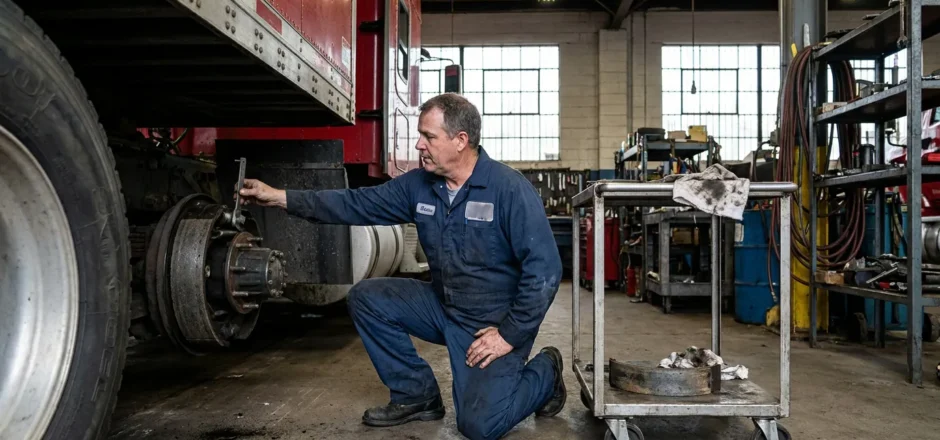
When Faulty Brakes Meet Missing Paperwork: A Kansas City Truck Safety Update
Key Takeaways: Federal law requires motor carriers to inspect, repair, and document the condition of every commercial truck’s brake system, and gaps in those records can become powerful evidence after a crash. In Kansas City, proving truck brake failure maintenance record violations often turns on paperwork the carrier is legally required to keep. Research from national safety bodies continues to identify faulty brakes among the leading vehicle-related factors in large truck crashes. Because FMCSA regulations apply nationwide, they set a baseline standard of care for every carrier operating on Missouri highways. Multiple parties may share responsibility, from the driver to the carrier to a maintenance contractor. Our team at Northland Injury Law helps injured families understand these rules and pursue the full compensation available under the law.
A single missing brake inspection log can change the entire story of a truck crash. When a fully loaded commercial truck fails to stop on I-435 or coming down a grade near the Missouri River, the difference between an unavoidable accident and preventable negligence often lives in a maintenance file. For families in the Northland facing catastrophic truck injury, understanding how those records work is the first step toward accountability. This update explains what federal safety rules demand, why documentation matters so much, and how our team approaches these high-stakes cases.
The Federal Rules Behind Brake Maintenance Records
Federal regulations, not just company policy, govern how trucking companies must care for their brakes. The Federal Motor Carrier Safety Administration requires motor carriers to systematically inspect, repair, and maintain every vehicle under their control, including brake systems, as part of a documented maintenance program. These obligations exist regardless of how busy a fleet is or how tight a delivery schedule may be. When a carrier cuts corners, the regulations give injured people a clear standard to point to.
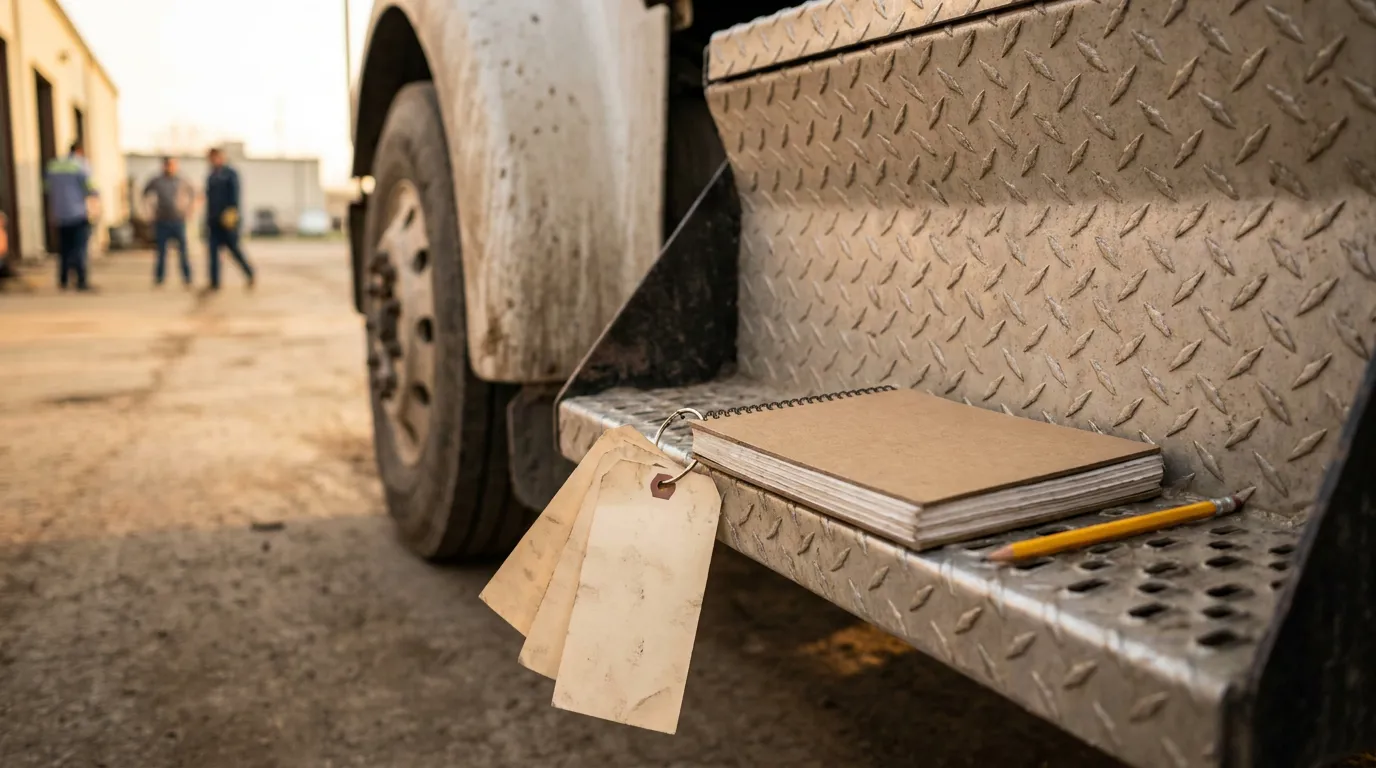
Recordkeeping sits at the heart of these requirements. Carriers must retain maintenance records for each vehicle, including brake inspection and repair history, for one year while the vehicle is under their control and for an additional six months after the vehicle leaves their control. It is worth noting that other Part 396 records carry their own separate retention periods, for example, driver vehicle inspection reports are generally kept for three months and annual periodic inspection reports for fourteen months. The FMCSA Safety Planner outlines these specific compliance duties for motor carriers, addressing brake inspection, repair, and the paperwork mandated under federal rules. You can review the agency’s guidance on maintenance recordkeeping obligations to see how detailed these expectations are. When those records are incomplete or missing, that absence itself can support a claim of commercial truck negligence.
What FMCSA Part 396 Requires
FMCSA Part 396 is the section that governs vehicle maintenance systems for commercial carriers. It requires a documented program of periodic inspection and repair, and it ties recordkeeping directly to the carrier’s ongoing duty to keep trucks safe. In practice, this means a well-run fleet should be able to produce brake inspection records showing when brakes were checked, what was found, and what was fixed. A carrier that cannot produce those documents may face difficult questions about whether the maintenance ever happened.
Where the Brake Standards Live in Part 393
The technical brake standards appear in a separate but related portion of the federal rules. Subpart C establishes mandatory brake system requirements for commercial motor vehicles, including standards for brake tubing, hose, and connections that must be kept in good working order. The regulations require that vehicles be equipped with brakes adequate to control movement, stop, and hold the vehicle. These detailed commercial brake system standards can serve as direct evidence of the standard of care a carrier failed to meet. When brakes fall below these benchmarks and no records explain why, negligence becomes far easier to demonstrate.
A Kansas City Scenario: When a Trailer Can’t Stop
Picture a family driving south on I-29 near the airport on an ordinary weekday morning. A tractor-trailer approaching a slowdown fails to brake in time and rear-ends their vehicle, leaving a parent with spinal injuries and months of lost income. In the days that follow, the family is overwhelmed by medical bills, insurance calls, and questions no one prepared them for. This is exactly the kind of moment where the truck’s maintenance history matters.
Suppose the post-crash inspection reveals worn brake components that should have been flagged during routine checks. If the carrier cannot produce complete brake maintenance records covering the months before the crash, that gap raises a serious question about whether required inspections were ever performed. In that situation, the missing paperwork is not a minor clerical issue. It can become central evidence in establishing motor carrier liability and, in turn, the family’s path toward recovery.
Proving Truck Brake Failure Maintenance Record Violations
Establishing truck brake failure maintenance record violations generally requires connecting the physical evidence to the paper trail. A brake defect alone does not always prove negligence, but a defect combined with absent or falsified records can tell a compelling story. Because these records must be preserved quickly before they are lost or overwritten, early action is often critical. Our team frequently works to secure this evidence before it disappears, and readers can learn more about what a brake maintenance records investigation should protect after a crash.
Building the Evidence Trail
Strong cases generally weave together several categories of proof. No single document usually decides a claim, but together they can reveal a pattern. In many brake-related truck cases, the following materials become important:
- Brake inspection records and repair invoices covering the months before the crash
- The truck’s periodic and annual inspection reports required under federal rules
- Driver vehicle inspection reports noting any brake defects
- Electronic logging device and black-box data showing speed and braking behavior
- Post-crash mechanical inspection findings from a qualified examiner
- The carrier’s internal maintenance policies and compliance history
Each item can corroborate the others, and inconsistencies often point toward liability. For example, a repair invoice that does not match a required inspection date may suggest records were created after the fact. Courts may consider such discrepancies when weighing whether a carrier met its legal duties. Because outcomes always depend on the specific facts, no single document guarantees a result.
Why Multiple Parties May Share Liability
Commercial truck cases rarely involve just the driver. Under federal and Missouri law, responsibility can extend to the motor carrier, a maintenance contractor, a broker, or others in the chain who owed a duty of care. This layered structure is one reason these claims are so different from ordinary car accident cases. It also means there may be several sources of insurance coverage available to an injured family.
Sorting out who is responsible takes careful investigation and a firm that understands the stakes. National research continues to link large truck crashes to mechanical problems, including faulty brakes, which underscores why maintenance documentation deserves close scrutiny. With more than 50 years of combined attorney experience and a proven track record in serious, high-value cases, our team pursues the full available coverage rather than a quick settlement. If you want to understand your options, a knowledgeable truck brake failure maintenance record violations lawyer can help you see the whole picture.
How Does This Impact Me?
What Does a Missing Brake Record Mean for My Case?
A gap in a carrier’s records can strengthen your claim, though it is not automatically decisive. In many cases, an absence of required brake inspection records raises the question of whether inspections happened at all. Courts may consider that gap alongside physical evidence and expert examination. Whether it proves negligence depends on the specific facts of your situation.
Does This Change My Deadline to File a Claim?
Missouri sets its own civil statute of limitations for personal injury and wrongful death claims, and it should not be assumed to be flexible. Certain exceptions, such as discovery or tolling rules, may apply in limited circumstances, but courts generally interpret these narrowly. Government-related claims can carry different, often shorter, notice or administrative deadlines. Because timing is fact-sensitive, it is wise to confirm your specific deadline early rather than risk losing your rights.
Who Can Be Held Responsible Besides the Driver?
Liability may extend well beyond the person behind the wheel. Depending on the facts, a motor carrier, maintenance contractor, or broker could share responsibility for a brake-related crash. Identifying every potentially liable party often requires reviewing maintenance contracts and compliance records. This is where experienced investigation makes a meaningful difference.
What Should I Do Next After a Serious Truck Crash?
Focus first on your health, then on protecting the evidence. Preserving maintenance records, black-box data, and inspection reports quickly can be critical, because some of this information may be overwritten or discarded within weeks. Keeping your own medical and financial records also helps document your losses. Speaking with a Northland truck crash attorney early can help ensure nothing important slips away.
Moving From Anxiety to Answers
When a truck’s brakes fail and the paperwork is missing, the burden should not fall silently on the injured family. Federal maintenance rules exist to keep dangerous trucks off Kansas City roads, and when carriers ignore them, those same rules can help hold them accountable. Proving these violations takes careful work, prompt evidence preservation, and a clear understanding of both Missouri law and federal trucking regulations. Every case is different, and outcomes depend on the specific facts, but understanding your rights is always the first step.
If you or someone you love was seriously hurt in a commercial truck crash, our team is here to talk with you, not at you. Voted #1 Accident Lawyer and Best of the Northland, Ley de lesiones de Northland offers a 30-Day Satisfaction Guarantee and a genuine commitment to keeping you informed at every stage. Call us at 816-400-4878 o contact us today to learn how these federal safety rules may affect your situation. You deserve answers, and we are ready to help you find them.