
 Spanish
 When Does Workers Comp Start Paying After the July 2026 Rate Update?

What the July 2026 Rate Update Means for Your First Workers’ Comp Check
Key Takeaways: Missouri’s annual benefit adjustments took effect in July 2026, and that renews an important question for injured workers across the Kansas City metro: when your wage-replacement checks actually start. Missouri does not pay wage benefits for the first three days you cannot work, and payments generally begin the day after that waiting period. If your disability lasts long enough, those first three days can be paid back to you. Temporary total disability benefits are calculated at roughly two-thirds of your average weekly wage, subject to a state benefit maximum that shifts with each rate update. Reporting your injury quickly and filing within Missouri’s deadlines are essential to protecting what you are owed. When benefits are delayed or underpaid, our team at Northland Injury Law is here to help.
Every summer, Missouri recalculates the maximum weekly amounts payable under its workers’ compensation system, and the July 2026 rate update is no exception. For hourly and salaried workers hurt on the job in Kansas City, the Northland, Liberty, Gladstone, St. Joseph, and beyond, these adjustments matter because they can change how much your weekly check is capped at. What the rate update does not change is the basic timing of when your benefits begin. That timing trips up a lot of good people who assume the money starts the moment they get hurt, and understanding it can save you weeks of stress.
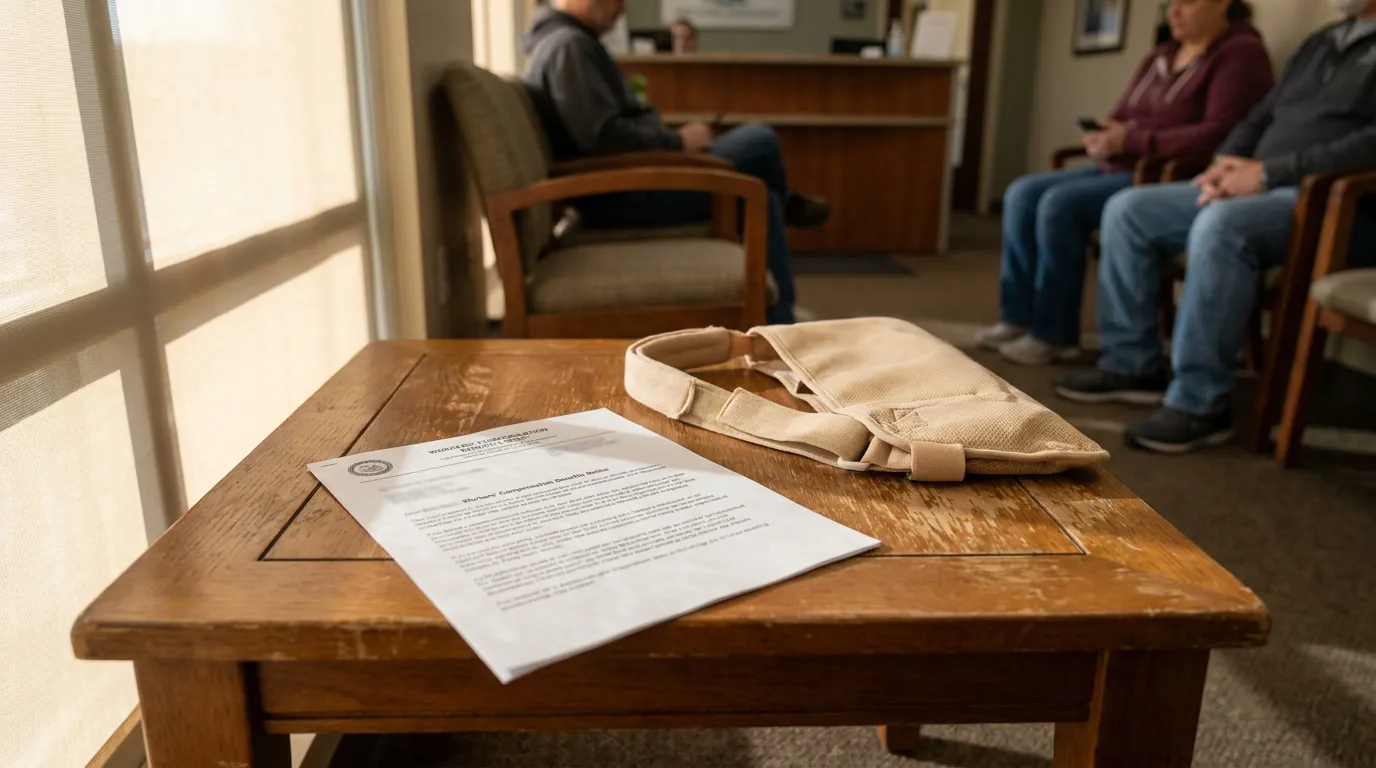
How Missouri Wage-Replacement Benefits Actually Work
Understanding when does workers comp start paying begins with a rule that surprises most first-time claimants: there is a built-in waiting period. Under Missouri’s system, compensation is not paid for the first three days an employee is unable to work. The clock generally starts the calendar day after the on-the-job injury, tied to when the authorized physician determines you cannot work. So your first payment usually arrives after that short unpaid window, not on day one.
The benefits themselves are known as temporary total disability, or TTD, and they are meant to replace lost wages while you heal. TTD benefits apply when a doctor determines the worker is unable to return, and benefits are generally paid weekly and should be based upon two-thirds of the employee’s average weekly wage. The July 2026 rate update affects the ceiling on that calculation, meaning higher earners may see their weekly amount capped at the new state benefit maximum. You can review Missouri’s official overview of benefits for injured workers to see how the state frames these payments.
It also helps to separate two things that often get confused: medical care and wage replacement. Disability payments and medical bills are paid by the employer’s workers’ compensation insurance. Authorized medical and hospital bills are generally paid regardless of whether you lose any time from work, so your treatment coverage does not depend on the same three-day timing that governs your paychecks. That distinction is one of the most reassuring facts we share with new clients.
A Northland Worker’s Story: When the Waiting Period Bites
Picture a warehouse worker in Gladstone who slips on a loading dock in early July and fractures her ankle. Her authorized physician tells her she cannot stand or lift, so she is off work immediately. Because of the waiting period, she does not receive a wage-replacement check for her first three days out, which is a genuine hardship when rent is due.
Here is the part that gives many workers relief, though. Unless the employee is unable to work for more than 14 days, then the "three-day waiting period" is also paid. If her recovery keeps her out beyond that threshold, those first three days become payable retroactively, so she ultimately recovers pay for the initial gap. For a serious Missouri work injury, that retroactive payment can add up.
Her checks continue as long as her doctor keeps her off duty, but not indefinitely. TTD benefits can be continued until the employee returns to work or when treatment has been concluded because the employee has reached maximum medical improvement, and light-duty availability may end eligibility. If her employer offers modified or light-duty work she can physically do, her wage-replacement benefits may stop even before she feels fully recovered. This is exactly the kind of fact-specific situation where outcomes depend on the details, and where a second set of eyes can help.
Why the First Payment Timeline Gets Complicated
The first payment timeline is rarely as clean as the statute makes it sound. Insurers must accept the claim, verify your average weekly wage, and coordinate with the authorized physician before releasing funds. Any dispute over whether the injury "arose out of and in the course of employment" can slow that process considerably.
Prompt reporting is one thing firmly within your control, and it carries real weight. In Missouri, you generally must give your employer written notice of a workplace injury within 30 days, and failing to report within that timeframe can jeopardize your benefits, though late notice may be excused in limited circumstances, such as when the employer already had knowledge of the injury. Reporting quickly, in writing, and keeping a copy protects both your eligibility and your credibility if the claim is later questioned.
Here are practical steps that tend to help injured workers in the Kansas City area:
- Report the injury in writing right away and keep a dated copy for your records.
- See the authorized physician and follow the treatment plan so there is no gap in your medical evidence.
- Track your average weekly wage using pay stubs, since that number drives your benefit amount.
- Note the date your doctor took you off work, because the waiting period is measured from there.
- Watch for light-duty offers, which can affect whether TTD continues.
Coverage and payment are not the same moment, and that difference reassures a lot of anxious callers. As a matter of policy in many Missouri workplaces, employees are covered by workers’ compensation from the first day they begin work. So even though your checks follow the waiting period, your legal protection as an employee generally exists from day one on the job.
Deadlines That Can Make or Break a Missouri Claim
Missouri sets firm outer limits on how long you have to formally pursue benefits, and courts interpret these deadlines strictly. Generally, an employee must file a Claim for Compensation with the Division within two years after the date of injury, the date of death, or the last payment made on the claim. You can read the state’s own explanation of the claim filing deadline for the precise language.
One important exception may extend that window, but it applies only in limited circumstances. If the employer fails to timely file a Report of Injury with the Division, the deadline may extend to three years from the date of injury, death, or last payment. This kind of extension is not automatic, courts read it narrowly, and it should never be assumed as a safety net. When timing is uncertain, it is wise to confirm your specific deadline early rather than gamble on an exception.
How Does This Impact Me?
Does the July 2026 Rate Update Change My First Payment Date?
No, the rate update generally affects benefit amounts, not the timing of your first check. Your wage-replacement payments still begin after the three-day waiting period, calculated from when your authorized doctor takes you off work. What may change is the maximum weekly figure your two-thirds calculation is capped at.
Will I Ever Get Paid for Those First Three Days?
You may, but only if your inability to work lasts long enough. Missouri pays the three-day waiting period retroactively when the disability extends beyond the statutory threshold. For shorter recoveries, those days generally remain unpaid.
What If My Employer Offers Me Light Duty?
Accepting or declining light duty can directly affect your benefits, so tread carefully. If suitable modified work is available and within your physician’s restrictions, your TTD eligibility may end. Whether an offer is truly "suitable" is often fact-dependent, and it is worth reviewing before you respond.
Did I Miss My Chance If I Waited to File?
Not necessarily, because Missouri’s deadlines run from several possible dates. The two-year window is generally measured from the injury, a death, or the last payment on the claim, and a delayed employer report may extend it in limited situations. Because these rules are strict and fact-sensitive, confirming your exact deadline promptly is the safest path.
What Should I Do If My Payments Are Late or Too Low?
Start by documenting everything and comparing your check to your average weekly wage. Delays, denials, and underpayments are common insurer issues, and they are often fixable with the right evidence. If something looks off, our team can review your file and explain your options in plain language.
Turning Anxiety Into a Clear Next Step
The July 2026 rate update is a good reminder that Missouri’s workers’ compensation rules reward workers who understand the timeline and act quickly. Your first check generally comes after a three-day waiting period, your benefit is roughly two-thirds of your average weekly wage up to the current benefit maximum, and firm deadlines govern how long you have to file. For a deeper walkthrough of these timing rules, our related guide on when does workers comp start paying breaks the process down step by step. Every case turns on its own facts, so nothing here is a substitute for advice about your specific situation.
At Northland Injury Law, we believe injured workers deserve someone who talks to them, not at them. With more than 50 years of combined attorney experience, recognition as a Best of the Northland firm, and a 30-Day Satisfaction Guarantee, our team is trusted by clients across Kansas City and Northwest Missouri to keep them informed at every turn. If your benefits are delayed, denied, or underpaid, an experienced when does workers comp start paying lawyer on our team can help you understand where you stand. Reach out to Northland Injury Law, call us at 816-400-4878, or contact us today to talk through your next step with confidence.



© 2026 Northland Injury Law • All Rights Reserved •