
Servicio Kansas City y más allá. No espere más. ¡Obtenga su compensación ahora!
 English
 Which Insurance Applies When a KC Uber Driver Waits for a Ride Request?
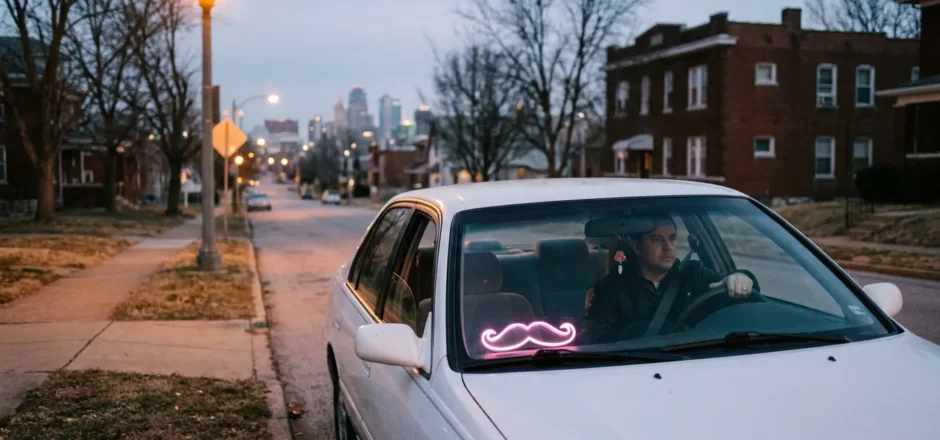
Understanding Who Pays When an Uber Driver Is Logged On but Not Yet Booked
Key Takeaways: When a Kansas City Uber driver is logged into the app but waiting for a ride request, they are in Period 1, a "waiting" phase with lower coverage than an active trip. Under Section 379.1702.2 of Missouri law, this window requires at least $50,000 per person, $100,000 per incident, and $25,000 for property damage, plus uninsured motorist coverage. This protection may be satisfied by the driver’s policy, the rideshare company’s contingent coverage, or both. Because Missouri law permits personal auto policies to exclude driving for compensation, Period 1 frequently becomes a coverage dispute center. Missouri law also requires the rideshare company’s insurance to respond from the first dollar if the driver’s personal policy lapses or fails to provide required coverage, without waiting for formal denial. Documenting the driver’s app status and saving trip records is critical to proving whether a ride was accepted and moving a claim into the $1 million coverage tier.
When an Uber driver is logged into the app and waiting for a ride request in Kansas City, coverage comes from a specific protection layer between the driver’s personal policy and Uber’s full commercial coverage. This "waiting" phase is Period 1, and it often surprises injured people because it lacks the $1 million protection that applies during active trips. If you were hurt during this window, identifying the right insurance can be challenging. At Northland Injury Law, we help injured Kansas City residents determine which policy applies and why it matters to your recovery.
If you or someone you love was seriously hurt, call our team at 816-400-4878, reach out through Ley de lesiones de Northland, or send us a message using our online contact page.
💡 Pro Tip: Screenshot your Uber app status right after a crash if you safely can. Showing whether the app was on, and whether a ride was accepted, can determine which insurance layer applies.
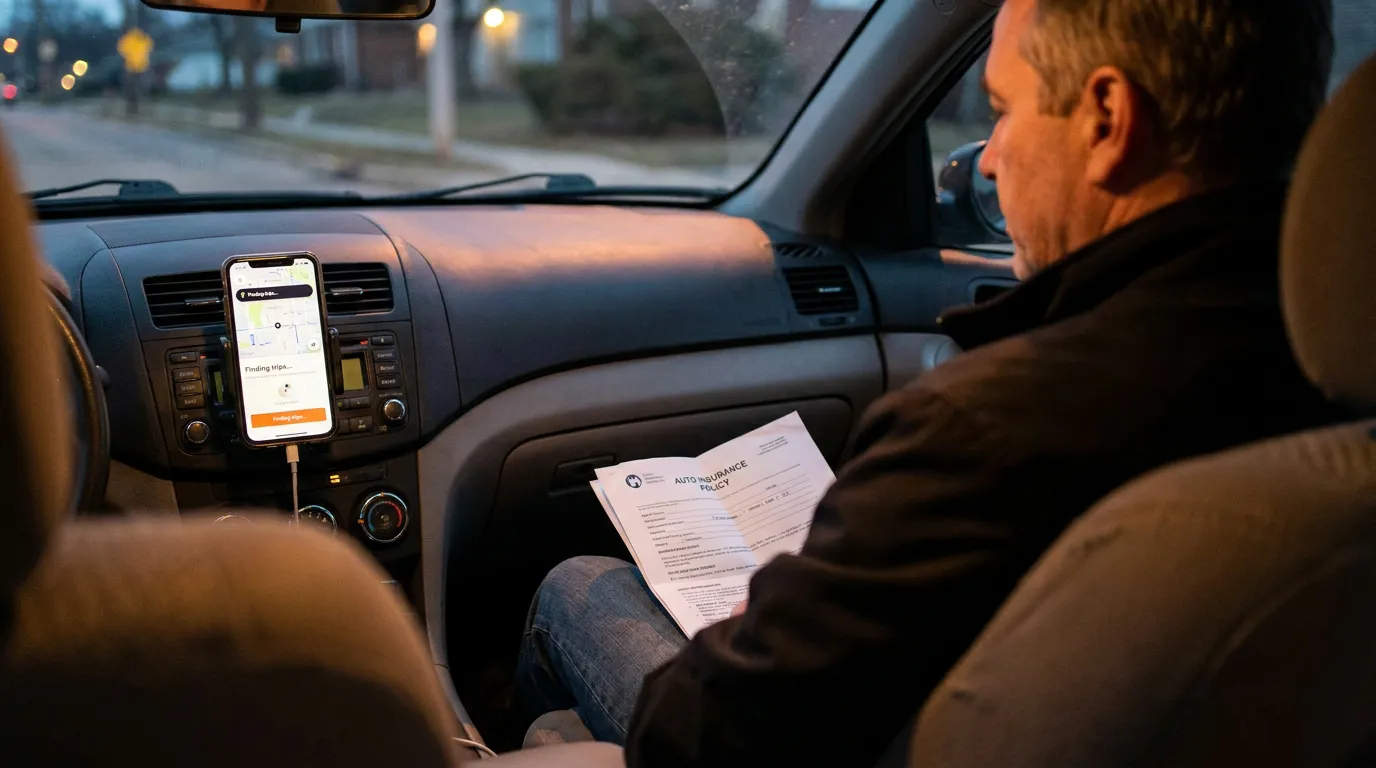
The Three Rideshare Insurance Periods Explained
Rideshare coverage is built around a driver’s status at the moment of a crash. The ride-sharing model divides into three insurance periods, each triggering different protection. Understanding which period applied to your crash is the first step toward understanding your claim.
Según la National Association of Insurance Commissioners, the framework breaks down as:
- Period 1: The app is on and the driver is waiting for a ride request, but none has been accepted.
- Period 2: A ride request has been accepted, but no passenger is in the vehicle yet.
- Period 3: A passenger is in the vehicle during the trip.
These rideshare insurance periods decide which insurer steps forward. During Periods 2 and 3, Uber and Lyft generally provide at least $1 million in primary commercial liability coverage once a ride has been accepted or a passenger is aboard. Period 1, the waiting phase, sits in a lower tier, which is why it often becomes the center of a dispute after a rideshare accident in Kansas City.
Why Period 1 Coverage in Kansas City Causes Confusion
Period 1 is the gap period where many injured people encounter trouble. A driver’s personal auto policy commonly will not fill this gap because Missouri law (Section 379.1708) permits personal policies to exclude "livery" or driving for compensation. Once someone activates the app to earn money, their personal insurer may deny the claim, arguing the vehicle was used commercially.
That leaves the rideshare company’s contingent coverage as the safety net. Understanding this overlap is central to figuring out what insurance covers a rideshare crash in Kansas City.
What Insurance Covers a Rideshare Crash in Kansas City During the Waiting Period
Missouri law sets clear minimum coverage for the waiting period. Under Section 379.1702.2 of the Revised Statutes of Missouri, while a driver is logged on and available to receive requests but not yet engaged in a prearranged ride, required coverage includes primary automobile liability of at least $50,000 for death and bodily injury per person, $100,000 per incident, and $25,000 for property damage, plus uninsured motorist coverage. You can read the full statutory text on the Missouri Revisor of Statutes sitio web.
This requirement can be satisfied multiple ways. Under Section 379.1702.2(3), the waiting-period coverage may be met by the driver’s own insurance, the transportation network company’s insurance, or both. Depending on whether a driver carried a rideshare endorsement, the paying policy might be the driver’s, Uber’s, or both working together.
Here is how the required minimums generally compare across a driver’s status in Missouri:
| Driver Status | Required Primary Liability (General Minimums) |
|---|---|
| App off (personal use) | 25/50/25 baseline personal auto |
| Period 1 (app on, waiting) | $50,000 per person / $100,000 per incident / $25,000 property |
| Period 3 (prearranged ride) | At least $1 million |
The contrast is dramatic once a ride is underway. Under Section 379.1702.3(1), once a driver is engaged in a prearranged ride, required primary liability coverage jumps to at least $1 million for death, bodily injury, and property damage. Because a prearranged ride generally begins when the driver accepts a request, this $1 million tier applies during both Periods 2 and 3, making the driver’s exact status at impact critical to a Kansas City rideshare injury claim’s value.
💡 Pro Tip: Save your trip receipt, ride confirmation, and any in-app timestamps. These records often prove whether the driver had accepted your ride, which can move a claim from the lower Period 1 tier into the $1 million tier.
How Missouri’s TNC Insurance Rules Protect Injured People
Missouri’s transportation network company statute prevents injured people from falling through coverage gaps. Under Sections 379.1702.4 and 379.1702.5, if a driver’s personal policy has lapsed or fails to provide required coverage, the TNC’s insurance must step in beginning with the first dollar of a claim. Importantly, that obligation does not depend on a personal automobile insurer first denying the claim.
This removes a common delay tactic, you should not wait for one insurer to formally reject you before Uber’s or Lyft’s coverage responds under Missouri law.
The Deadlines and Proof Requirements Drivers Must Meet
Missouri’s rideshare insurance rules have been in force since April 1, 2017, under Section 379.1702.1, and Section 379.1702.8 requires drivers to carry proof of required coverage at all times while using the company’s digital network. If you are involved in a Lyft accident in Missouri or an Uber crash, asking for that proof of coverage at the scene can save weeks of back-and-forth later.
Steps to Protect Your Rideshare Claim in the Northland
The days right after a crash shape everything that follows. Insurance adjusters may contact you quickly, and what you say and save can affect your ability to recover for medical bills and lost wages.
💡 Pro Tip: Politely decline to give a recorded statement to any insurer until you have spoken with a lawyer. Adjusters are trained to ask questions in ways that can limit what you recover.
A few practical habits can preserve evidence that determines which insurer pays. Whether you were a passenger, another driver, a cyclist, or a pedestrian:
- Photograph the scene, vehicle damage, license plates, and any visible injuries.
- Get names and contact details for the rideshare driver and any witnesses.
- Seek medical care promptly and keep every bill and record.
- Note the driver’s app status and request their proof of TNC coverage.
Because these claims often involve overlapping personal and commercial policies, having an experienced Kansas City rideshare injury resource on your side helps you avoid missteps. Our team has recovered millions for injured clients, including verdicts and settlements in the $1.5M to $2M range for serious and catastrophic cases.
Preguntas frecuentes
1. Does my own insurance cover me if I am hit by an Uber driver waiting for a ride?
It depends on the driver’s app status and coverage. During Period 1, Missouri law under Section 379.1702.2 requires waiting-period coverage that may come from the driver’s policy, Uber’s policy, or both. Your own uninsured or underinsured motorist coverage may also apply.
2. Why is Period 1 coverage lower than during an active ride?
Rideshare companies reserve their $1 million commercial coverage for Periods 2 and 3. That top-tier protection applies once a ride has been accepted or a passenger is in the car. During the waiting period, only lower statutory minimums are guaranteed under Missouri law.
3. What if the rideshare driver’s personal policy denied my claim?
Missouri law prevents you from being stranded. Under Sections 379.1702.4 and 379.1702.5, the TNC’s insurance must respond from the first dollar when the driver’s policy has lapsed or fails to provide required coverage, and that duty does not require a personal insurer to deny coverage first.
4. How do I prove which period applied to my crash?
Documentation is key, often available in the app. Trip receipts, ride confirmations, and timestamps can show whether a ride had been accepted. This evidence often shifts a claim into the higher $1 million coverage tier.
5. Do I really need a lawyer for a rideshare claim?
Not every case requires one, but serious injuries and layered insurance make guidance valuable. When multiple policies overlap and adjusters push back, working with a trusted local team can protect your rights.
Bringing Clarity to a Confusing Coverage Question
The waiting period sits in a coverage gray zone, but Missouri law provides real protection when you know where to look. Between the driver’s personal policy, the rideshare company’s contingent coverage, and the statutory minimums in Section 379.1702, figuring out what insurance covers a rideshare crash in Kansas City requires careful attention to the driver’s status and available policies. As a firm voted #1 Accident Lawyer and Best of the Northland, we are deeply rooted in this community and treat clients like neighbors, not case numbers.
Do not wait to protect your recovery. Call our what insurance covers a rideshare crash in Kansas City lawyer team today at 816-400-4878, visit Ley de lesiones de Northland to learn more, or reach us through our contact our team page. Backed by 50+ years of combined experience and a 30-Day Satisfaction Guarantee, we are ready to help you move from worry to confidence.

Ubicación
Ley de lesiones de Northland
4151 N. Mulberry Drive
Suite 225
Kansas City, MO 64116


© 2026 Northland Injury Law • All Rights Reserved •