
 English
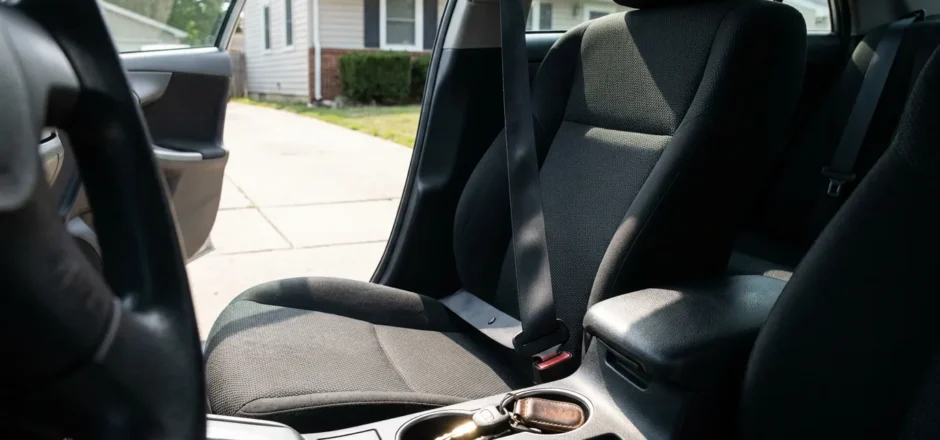
When the Insurance Company Blames Your Seat Belt Instead of the Driver Who Hit You
Key Takeaways: The seat belt defense in Missouri is the insurance argument that your failure to buckle up should reduce what you recover after a crash. Missouri law allows seat belt nonuse to be raised, but only in mitigation of damages, and only after the party offering it first presents expert evidence that nonuse contributed to the claimed injuries, with Mo. Rev. Stat. § 307.178.4 capping any reduction at one percent of the damages awarded after any reduction for comparative negligence. The same subsection states that seat belt nonuse shall not be considered evidence of comparative negligence, so it generally cannot be used to blame you for causing the collision. A separate exception in subsection 5 applies to claims arising out of the design, manufacture, or sale of a vehicle, where nonuse may be admissible more broadly. Adjusters still raise it because it can pressure injured people into accepting low offers, often before crash reconstruction or medical records have been reviewed. Ordinary comparative fault, such as speeding or distraction, is treated very differently and may reduce recovery in proportion to your share of responsibility. Preserving evidence like EDR data, crash reconstruction findings, and detailed medical records can be one of the more effective ways to respond to a seat belt narrative in a serious injury case.
If you were seriously hurt in a Kansas City crash and an adjuster has started asking whether you were buckled up, you may have run into what lawyers call the seat belt defense: the argument that your failure to wear a seat belt should shrink your recovery. Missouri law allows that argument only narrowly, and the limits are often far tighter than adjusters let on. Seat belt nonuse generally cannot be treated as evidence of comparative negligence for causing the wreck, and any reduction in damages tied to it is capped at a very small percentage.
If an adjuster is already hinting that your injuries were "your own fault" for not buckling up, our team at Ley de lesiones de Northland would like to hear from you before you give any recorded statement. We talk with people every week who are recovering from surgeries, brain injuries, and long hospital stays while fielding calls they were never prepared for. Call us at 816-400-4878 o contact us now to get straight answers, and remember that our 30-Day Satisfaction Guarantee means you are never locked into a decision you are unsure about.
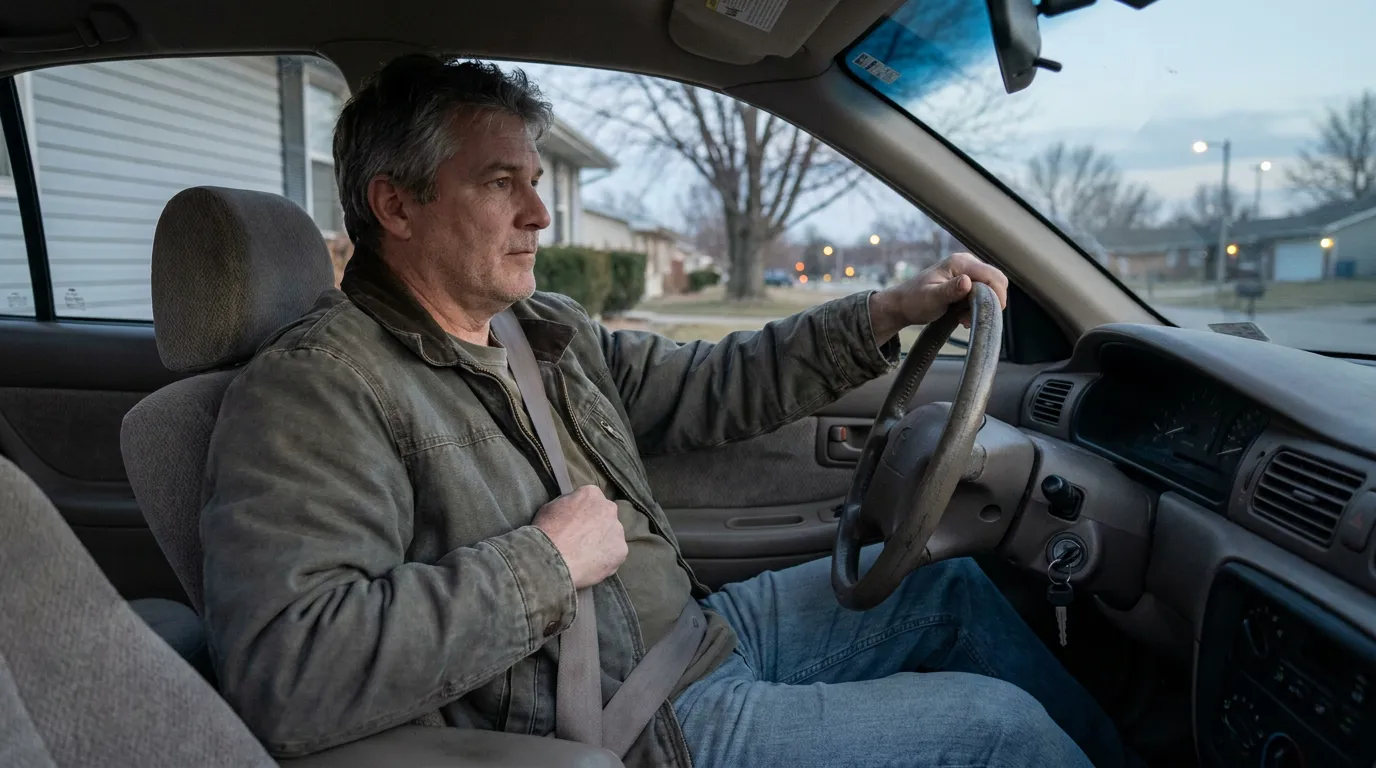
What Missouri Law Actually Requires Behind the Wheel
Missouri does impose a seat belt requirement, and that duty is where the discussion begins. Under Mo. Rev. Stat. § 307.178.2, each driver and front seat passenger of a passenger car must wear a properly adjusted and fastened safety belt, subject to the statute’s exceptions, including separate child restraint rules under § 307.179. That underlying duty is what defense lawyers point to when raising seat belt nonuse in a civil case.
But a traffic rule and a civil damages rule are different things. A duty to buckle up does not automatically mean an injured person was negligent in a lawsuit. In fact, a violation carries only an infraction penalty with a fine not to exceed ten dollars. Missouri’s legislature wrote specific language into the statute to keep those concepts separate, and courts generally apply that language rather than general negligence principles.
The One Percent Cap That Changes Everything
One of the most important things to understand about the Missouri seat belt defense injury claim landscape is the statutory cap on damage reduction. Mo. Rev. Stat. § 307.178.4 allows failure to wear a safety belt to be admitted to mitigate damages, but only if the party offering it first introduces expert evidence proving nonuse contributed to the claimed injuries. If the trier of fact so finds, it may reduce recovery by no more than one percent of the damages awarded after any comparative negligence reduction.
Consider what that means in a catastrophic injury case. If a jury valued a permanent paralysis case at two million dollars, the maximum reduction attributable to seat belt nonuse would generally be one percent of the amount awarded after any comparative fault reduction. The full text of the statute is published by the Missouri Revisor of Statutes.
Seat Belt Evidence Compared to Real Comparative Fault
| Issue | How Missouri Treats It |
|---|---|
| Failure to wear a seat belt | Admitted only to mitigate damages, with expert evidence required, generally capped at one percent |
| Seat belt nonuse as negligence | Generally not evidence of comparative negligence under subsection 4 |
| Ordinary comparative fault (speeding, distraction) | May reduce recovery proportionally to fault |
| Claims against a vehicle’s designer, manufacturer, or seller | Subsection 5: nonuse may be admissible as to comparative fault, causation, defect, and mitigation |
Why Adjusters Still Bring It Up
Insurance companies raise seat belt nonuse because it can work psychologically, not legally. An injured person who feels partly responsible may be more likely to accept a low offer or stop asking questions. This is a common tactic in serious Missouri injury claim negotiations, often raised before anyone has reviewed the crash reconstruction or medical records.
The statutory limit does not stop an adjuster from mentioning it in a phone call. Nothing requires an insurer to explain the one percent cap or expert evidence requirement to you. That asymmetry is one reason talking to a Missouri seat belt defense injury claim lawyer before you negotiate can matter in a high-value case.
💡 Pro Tip: If an adjuster asks about seat belt use during a recorded statement, you are generally not required to give one to the other driver’s insurer at all. Politely declining and referring them to your attorney is usually reasonable.
Seat Belt Nonuse Is Not Negligence Per Se in Missouri
Missouri’s statute expressly separates a seat belt violation from a finding of civil comparative negligence. RSMo 307.178.4 states that failure to wear a safety belt shall not be considered evidence of comparative negligence and may be admitted only to mitigate damages under the conditions set out. In plain language, being unbelted is generally not something a defendant can use to argue you caused the collision.
That distinction matters in Northland crashes. When a driver runs a red light at Barry Road or drifts across the center line in Clay or Platte County, the causal question generally focuses on that driver’s conduct. A Missouri appellate opinion from the Eastern District, available through the Justia case law database, addressed trial court rulings on seat belt evidence and jury instructions, illustrating how carefully Missouri courts police the line between mitigation and liability.
Courts interpret these limits according to the statutory text, and outcomes remain fact-dependent. Whether particular evidence is admissible can turn on how it is offered, whether expert foundation is laid, and what instructions the jury receives. No honest attorney can promise how a specific judge will rule.
How the Seat Belt Defense Interacts With Comparative Fault
Missouri follows a pure comparative fault system in negligence actions, and the seat belt rule generally sits outside of it. Ordinary fault, such as speeding, following too closely, or distracted driving, can reduce your recovery in proportion to your share of responsibility. Our overview of pure comparative fault in Missouri walks through how that allocation works.
Seat belt nonuse, by contrast, is channeled into a much narrower lane. Section 307.178 limits seat belt evidence to mitigation of damages rather than liability for the accident, with the one percent ceiling applied after any comparative fault reduction. That narrower treatment does not extend to claims against a vehicle’s designer, manufacturer, distributor, or seller, which subsection 5 carves out. Legal scholarship in the Missouri Law Review has traced how Missouri courts developed and constrained this doctrine, explaining why the statute is written so restrictively.
What This Looks Like in a Serious Injury Case
In catastrophic cases, defense teams often pair seat belt arguments with medical causation fights. The goal is rarely the one percent; it’s often to build a broader narrative that injuries were avoidable or exaggerated, which may influence how a jury values a traumatic brain injury, complex fracture, or wrongful death claim.
Documentation is one way that narrative can be answered. The most useful evidence tends to include:
- Crash reconstruction findings on impact forces, delta-v, and occupant kinematics
- Vehicle black box (EDR) data, which may record belt status and pre-impact speed
- Treating physician records tying each diagnosis to the mechanism of injury
- Photographs of interior damage, airbag deployment, and belt webbing loading marks
- Wage and vocational records showing lost earning capacity
💡 Pro Tip: Vehicles are often released to salvage yards within weeks. Preserving the car and its data module can be time-sensitive when occupant position is disputed.
Practical Steps After a Serious Kansas City Crash
What you do in the first days may shape how much leverage you have later. Get evaluated by a physician even if adrenaline is masking symptoms, because delayed-onset brain and internal injuries are common in high-energy collisions on I-29, I-35, and 152 Highway. Follow through on referrals, and keep every discharge instruction.
Then be careful about what you sign. Medical authorizations broader than necessary can hand an insurer years of unrelated history to comb through. A Kansas City injury lawyer can generally seek to narrow those requests to what is genuinely relevant.
Finally, do not assume a seat belt question means your case is weak. Our team has handled serious and catastrophic matters with results in the $1.5M to $2M+ range, and we have more than 50 years of combined attorney experience across our firm. Being recognized as a #1 Accident Lawyer and Best of the Northland reflects something our clients tell us often, which is that we talk with them, not at them.
Preguntas frecuentes
1. Can the other driver’s insurance company deny my claim because I was not wearing a seat belt?
Generally, no. Missouri’s statute provides that seat belt nonuse is not evidence of comparative negligence in a typical motor vehicle damages case. It may be raised in mitigation of damages, with expert foundation and within the statutory cap, but it is generally not a basis to deny an otherwise valid claim.
2. Does the one percent cap apply to passengers in the back seat?
The belt-wearing requirement in § 307.178.2 addresses drivers and front seat passengers, and § 307.179 separately governs occupants under sixteen. Application to a particular occupant depends on the facts, so it’s worth reviewing your circumstances with counsel.
3. Will a jury even hear that I was unbelted?
That depends on how the issue is litigated. Courts consider whether required expert evidence has been offered and whether it’s offered solely for mitigation, and rulings vary with the record before the court.
4. Does this rule apply if my crash happened on the Kansas side of the state line?
Generally, no. Section 307.178 is a Missouri statute, and Kansas has its own framework. Because the Kansas City metro spans two states, determining which state’s law applies is often an early and consequential question.
5. How long do I have to file a Missouri car accident lawsuit?
Missouri sets civil filing deadlines by statute, and different deadlines can apply to wrongful death claims or claims against government entities, which may carry separate notice requirements. Courts generally interpret exceptions to these deadlines narrowly.
The Bottom Line for Injured Missourians
The seat belt defense in Missouri is real, but it is narrow, and frequently overstated by the other side of your claim. The statute generally permits seat belt nonuse to be admitted only to mitigate damages, requires expert evidence before it comes in, caps any resulting reduction at one percent of the award after comparative fault, and states that it is not evidence of comparative negligence, subject to the separate rule for claims against vehicle manufacturers and sellers. For someone facing a spinal injury, a lengthy hospitalization, or the loss of a family member, that distinction can be worth understanding clearly before any settlement conversation begins. Every case turns on its own facts, and no outcome can be promised.
You do not have to sort through statutes and adjuster phone calls while you are trying to heal. Reach out to Ley de lesiones de Northland and let our team explain where you stand, what the seat belt issue really means for your case, and what comes next. Call 816-400-4878 o schedule your free consultation today. Don’t wait, and don’t worry about being locked in, because our 30-Day Satisfaction Guarantee is there for a reason.
Disclaimer: This content is for informational purposes only and is not legal advice. Every case is unique, and results may vary. Consult an attorney about your specific circumstances.