
Servicio Kansas City y más allá. No espere más. ¡Obtenga su compensación ahora!
 English
 What Is a Spoliation Letter and Why Does It Matter After a KC Truck Crash?
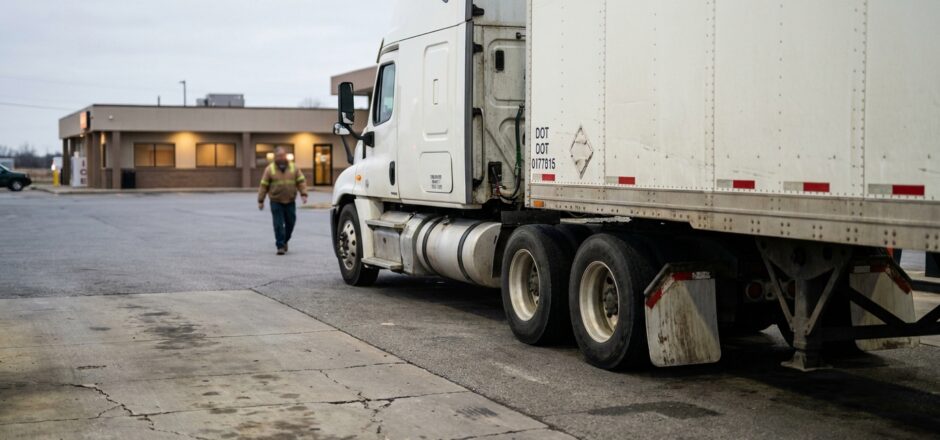
Why a Spoliation Letter Could Make or Break Your KC Truck Crash Case
If you were seriously hurt in a truck crash on I-35, I-29, or anywhere in the Kansas City metro, critical evidence is disappearing right now. A spoliation letter is a formal written demand sent to the trucking company instructing them to preserve all evidence related to the collision. It puts everyone on notice: do not delete, destroy, or alter anything. Black box data, driver logs, dashcam footage, maintenance records, and the truck itself can vanish in days or weeks if no one acts quickly. Understanding what a spoliation letter does and why it matters is one of the most important first steps to protect your truck accident claim in Missouri.
En Ley de lesiones de Northland, we’ve recovered millions for Kansas City families dealing with catastrophic truck crash injuries, and we know evidence preservation often determines whether a case succeeds or falls short. If you need help right now, call us at 816-400-4878 o reach out to our team today.
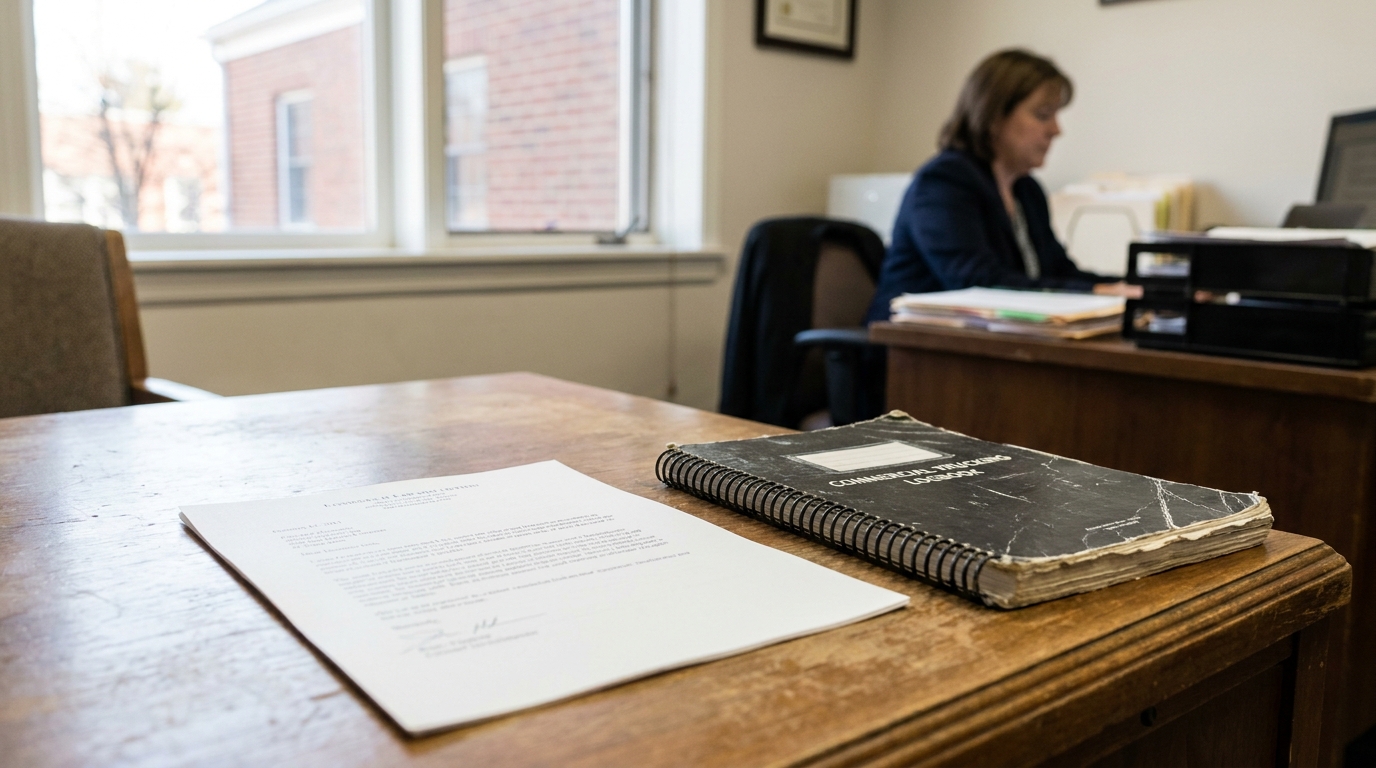
What a Spoliation Letter Actually Does for Your Truck Accident Attorney in Kansas City
A spoliation letter creates a documented, legal obligation for the other side to keep every piece of evidence intact. When we send one, it goes to the trucking company, the driver, the insurance carrier, and any maintenance or leasing companies involved. It specifies exactly what must be preserved: electronic logging device (ELD) data, engine control module (ECM) recordings, GPS records, personnel files, drug and alcohol testing results, and inspection reports.
Missouri’s spoliation doctrine gives this letter significant weight. Under Missouri law, courts may impose an adverse evidentiary inference when a party intentionally destroys or significantly alters evidence under circumstances indicating fraud and a desire to suppress the truth; mere negligence or failure to preserve without adequate explanation is generally insufficient. If a trucking company intentionally destroys evidence after receiving a preservation letter, a court may instruct the jury to assume the missing evidence would have been unfavorable to the trucking company.
If the alleged spoliator intentionally destroyed or significantly altered evidence under circumstances indicating fraud, the destruction may give rise to an inference of fraud. Receiving a spoliation letter helps establish notice of potential litigation and can support an inference of intentional destruction, but knowledge alone or negligent failure to preserve is generally insufficient in Missouri.
💡 Pro Tip: Not requesting a spoliation letter is one of the most common mistakes truck accident victims make. The sooner your attorney sends one, the more evidence you protect.
The Evidence at Stake After a Semi Truck Accident in Kansas City
Modern commercial trucks generate a surprising amount of electronic and physical evidence, and much of it has a short shelf life. ECM or "black box" data can reveal vehicle speed at impact, sudden braking or acceleration, engine performance, and hours of operation. But that data can be overwritten or deleted, which is exactly why attorneys send spoliation letters demanding immediate preservation.
Federal regulations have made electronic data even more central to truck crash cases. The FMCSA’s 2015 final rule established mandatory ELD requirements for commercial drivers, creating electronically stored records of driving time, engine status, and miles driven. This data is critical evidence in truck crash litigation and a prime target for a spoliation letter.
Physical evidence matters just as much. Vehicle damage demonstrates collision forces. Dashcam and surveillance footage from nearby businesses may only be retained briefly, making prompt preservation requests essential.
| Evidence Type | Why It Matters | Risk of Loss |
|---|---|---|
| ECM / Black Box Data | Shows speed, braking, engine hours | Can be overwritten or deleted quickly |
| ELD / Driver Logs | Proves hours-of-service compliance | Stored electronically; may be altered |
| Dashcam / Surveillance Video | Captures real-time crash footage | Often recorded over within days or weeks |
| Vehicle Damage (Physical) | Demonstrates collision forces | Truck may be repaired, scrapped, or sold |
| Maintenance & Inspection Records | Reveals mechanical failures or neglect | Company may purge records over time |
| Drug & Alcohol Test Results | Shows driver impairment | Testing windows are time-sensitive |
💡 Pro Tip: If you can safely take photos or video at the crash scene, do so. But your attorney’s spoliation letter will demand evidence you cannot access yourself, like data stored in the trucking company’s systems.
How Missouri’s Spoliation Doctrine Protects Truck Crash Victims
Missouri law takes evidence destruction seriously, and the consequences for a trucking company that ignores a preservation letter can be significant. En spoliation doctrine in Missouri allows courts to impose an adverse inference when a party intentionally destroys or significantly alters evidence under circumstances indicating fraud and a desire to suppress the truth; mere negligence or failure to preserve without intent typically will not justify such an instruction.
A real-world example shows how this plays out. En K.B. v. Oasis Foot Spa (703 S.W.3d 606, Mo. App. E.D. 2024), a Missouri trial court allowed an adverse inference instruction after business records were destroyed despite the company receiving a preservation letter. That kind of moment can reshape a trial.
💡 Pro Tip: An adverse inference instruction tells the jury that the other side destroyed evidence and should be presumed to have had something to hide. That is a powerful message.
Missouri’s Statute of Limitations and Why Timing Matters
Under RSMo § 516.120, Missouri establishes a five-year statute of limitations for personal injury claims. RSMo § 516.120(4) covers actions for injury to the person or rights of another, not arising on contract.
Five years may sound like plenty of time, but evidence doesn’t wait for you to file a lawsuit. Black box data can be lost in days. Surveillance footage may be recorded over in a week. Driver logs and maintenance files can be purged or misplaced. A spoliation letter needs to go out long before you’re anywhere near a filing deadline.
What Should a Spoliation Letter Include?
A well-drafted spoliation letter identifies the crash, the parties involved, and provides a detailed list of every category of evidence that must be preserved. This includes electronic data like ELD and ECM records, physical evidence like the truck itself, documentary evidence like personnel files and inspection records, and communications such as dispatch logs and internal emails.
Who Receives the Spoliation Letter?
Your attorney should send the letter to every party that may possess relevant evidence. That typically means the trucking company, the driver, the insurance carrier, any maintenance or leasing companies, and sometimes the truck or parts manufacturer.
When Should It Be Sent?
Ideally, a spoliation letter goes out within days of the crash. An experienced personal injury lawyer knows what evidence a case requires, where to find it, and how to preserve it. The faster your attorney acts, the less opportunity for evidence to disappear. If you’ve been involved in a commercial vehicle accident, don’t wait to explore your options.
💡 Pro Tip: Even before you hire an attorney, write down everything you remember about the crash, including the trucking company name, truck number, and any details from the scene. This helps your legal team act faster.
What Happens When a Trucking Company Destroys Evidence
When evidence disappears after a spoliation letter has been sent, the consequences can be severe for the trucking company. As the K.B. v. Oasis Foot Spa case illustrates, a court may allow the jury to hear that the other side destroyed records and should be presumed to have done so because those records were damaging. Trucking company evidence destruction shifts the evidentiary landscape in your favor.
The spoliation letter removes ambiguity. It creates a clear paper trail showing the trucking company was put on notice. If they destroy evidence after that point, arguing ignorance becomes nearly impossible.
💡 Pro Tip: Keep copies of all correspondence, including any preservation letters your attorney sends. Documentation of the preservation process itself can become evidence if the other side claims they never received notice.
How a Truck Accident Attorney in Kansas City Protects Your Claim
Truck crash cases are among the most complex personal injury matters in Missouri, involving multiple parties, federal regulations, and vast amounts of electronic data. A Kansas City truck crash lawyer who understands these cases will send a spoliation letter immediately, begin an independent investigation, and work to secure evidence before it disappears. At Northland Injury Law, our team brings over 50 years of combined attorney experience to these cases, and we’ve recovered millions for seriously injured clients.
Preguntas frecuentes
1. What is a spoliation letter in a truck accident case?
A spoliation letter is a formal written demand requiring preservation of all evidence connected to the crash. It covers electronic data like black box and ELD records, physical evidence like the truck, documents like driver logs and maintenance files, and video footage. Destroying evidence afterward can result in serious court sanctions.
2. How soon after a KC truck wreck should a spoliation letter be sent?
Your attorney should send a spoliation letter as quickly as possible, ideally within days of the collision. ECM data can be overwritten, dashcam footage may be recorded over, and physical evidence like the truck can be repaired or scrapped.
3. What happens if the trucking company ignores the spoliation letter?
If a trucking company intentionally destroys or significantly alters evidence after receiving a preservation letter, Missouri courts may impose an adverse inference instruction. This means the jury can be told to assume the destroyed evidence would have been unfavorable to the trucking company; mere negligent loss or failure to preserve without intent generally will not support such an instruction in Missouri.
4. Can I send a spoliation letter myself, or do I need an attorney?
Having a truck accident attorney in Kansas City handle it ensures it’s comprehensive, properly addressed, and legally effective. An attorney knows every category of evidence to demand and every party to notify. A letter that misses key evidence or recipients may leave gaps that hurt your case.
5. Does Missouri have a specific spoliation statute?
Missouri doesn’t have a standalone spoliation statute, but the spoliation doctrine is well established through case law. Courts may impose an adverse inference when a party intentionally destroys or significantly alters evidence under circumstances indicating fraud and a desire to suppress the truth; mere negligence or failure to preserve without adequate explanation is generally not sufficient.
Take Action Now to Protect Your Truck Crash Evidence
If you or a family member was seriously injured in a truck crash in Kansas City or anywhere in Northwest Missouri, the clock is already ticking on critical evidence. A spoliation letter is one of the first and most important steps your legal team can take, and every day without one is a day that black box data, driver logs, and surveillance footage could disappear.
Nuestro equipo de Ley de lesiones de Northland is here to walk you through every step, answer every question, and fight for the full compensation your family deserves. Call us at 816-400-4878 o contact us now for a conversation about your case. We back our commitment with a 30-Day Satisfaction Guarantee.

Ubicación
Ley de lesiones de Northland
4151 N. Mulberry Drive
Suite 225
Kansas City, MO 64116


© 2026 Northland Injury Law • All Rights Reserved •