
 English
When an Unlicensed Driver in an Accident Is Not at Fault: What the Barry Road Crash Teaches Kansas City Families
Key Takeaways: Dashcam and nearby security footage from crashes like the recent Barry Road collision can help attorneys show who actually caused a wreck when insurers dispute fault. Video can show speeding, red-light running, unsafe lane changes, distraction, or road rage, any of which may show a driver failed Missouri’s "highest degree of care" standard. Attorneys also work to keep footage unedited, because a court usually needs proof that video is authentic before a jury can see it. It can matter greatly for an unlicensed driver who was not at fault, because licensing status and fault are generally separate questions. In wrongful death cases, footage may help prove aggravating circumstances and support the damages Missouri allows, though grief and bereavement damages are not recoverable. Missouri generally allows five years for injury claims and three years for wrongful death claims. Exceptions and shorter notice rules apply, and recordings can be deleted within days, so preserving footage early is critical.
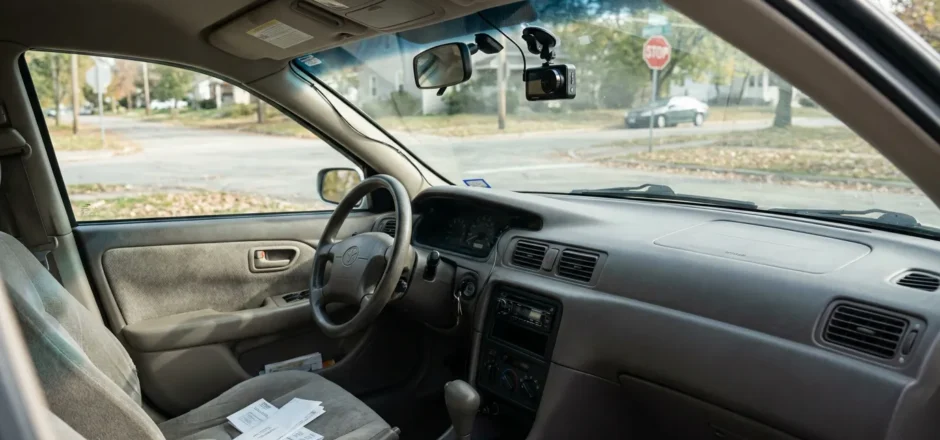
Barry Road is one of the Northland’s busiest roads, and every driver who uses it daily knows how fast things can change there. Traffic moves between Zona Rosa, the shopping centers near I-29, and the neighborhoods stretching toward Platte County. When a serious crash happens here, families ask: who caused it? More and more often, the answer is on a memory card in someone’s windshield-mounted camera.
The Missouri State Highway Patrol keeps an official online database of crash reports, and the Barry Road incident appears in that system. These reports are state records, not commentary. They generally list the date, time, location, vehicles involved, and whether anyone was hurt or killed. Crashes handled by local police, such as the Kansas City Police Department, may be documented separately. A report is a starting point, but it rarely settles fault. That is where video evidence comes in.
Why Video Evidence Has Become So Important in Missouri Crash Cases
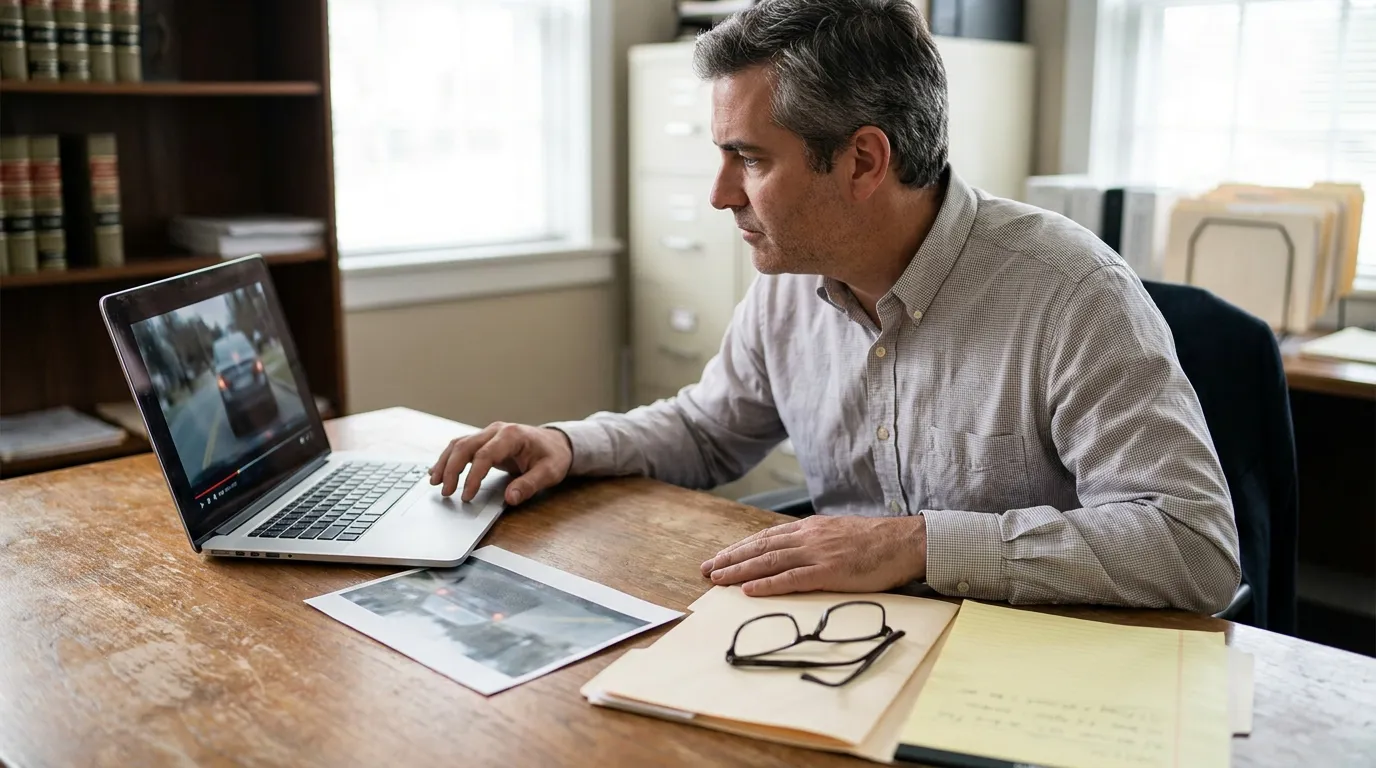
Video can capture what witnesses forget, what drivers dispute, and what police arrive too late to see. After a serious collision, the people involved are often hurt, in shock, or unable to speak. Insurance companies may fill that silence with their own version of events. A clear recording of the moments before impact can push back.
Missouri sets a high bar for how drivers must behave. En Missouri’s careful driving statute, every driver must operate in a careful and prudent manner, at a speed that does not endanger people or property, and must exercise the highest degree of care. Footage showing speeding, an unsafe lane change, tailgating, or aggressive driving may be strong proof that a driver fell short of this duty. Courts and juries weigh all the evidence, so video generally supports a case rather than deciding it alone.
Courts also have rules about which recordings a jury gets to see. Under Missouri evidence rules, video generally must be authenticated and relevant before it can be admitted. The camera owner or a witness usually needs to show that the video is accurate, unedited, and actually shows the crash in question. Handling footage carefully from the start can make that process smoother.
What Dashcam Evidence Can Show
A single recording may answer several key questions. Depending on camera angle and quality, footage can help establish:
- The speed and direction of each vehicle before impact
- Whether a driver ran a red light or ignored a stop sign on Barry Road or a nearby intersection
- Lane position, sudden swerving, or unsafe merging
- Distracted driving, such as drifting or delayed braking
- Road rage crash proof, including tailgating, brake-checking, or deliberate contact
- Weather, lighting, and traffic conditions at the moment of the crash
Our team has written more about this topic in our guide to dashcam evidence car accident claims in Missouri. It covers how dash cams can help injured people and what to do with footage after a crash.
A Kansas City Family’s Story: How Footage Can Change Everything
Picture Maria, a mother of two from the Northland, driving home on Barry Road after a late shift. She has been driving for years but let her license lapse while dealing with a paperwork problem. A pickup truck speeds through a red light and slams into her driver’s side door. Maria wakes up at the hospital with a traumatic brain injury, a shattered pelvis needing surgery, and months of rehabilitation ahead.
The other driver’s insurance company learns Maria’s license was expired and acts as though that ends the conversation. The adjuster suggests she has no real claim. Her family is scared, the medical bills are piling up, and she cannot work. Then a business owner near the intersection calls to say his security camera recorded the whole crash, showing the truck running the light at high speed.
Situations like Maria’s are why video matters so much. A licensing problem may bring its own consequences, such as a citation, but it generally does not mean a person caused a crash. If the footage shows another driver ran the light, fault may look very different. Every case depends on its own facts, and this example is only an illustration.
Can an Unlicensed Driver in an Accident Not at Fault Still Recover Compensation?
In many cases, yes, an unlicensed driver who did not cause the crash may still pursue a claim against the driver who did. Missouri negligence claims generally focus on who breached the duty of care and whether that breach caused the injuries. Lacking a valid license usually matters only if it connects to how the crash happened. Missouri follows pure comparative fault, so if the injured driver is found partly at fault, their recovery is reduced by their share. Insurers may also use licensing status to shift blame or lower an offer.
Proving fault becomes even more important when the injured person has a licensing issue. Clear video, witness statements, crash reconstruction, and the official crash report can work together to show what really happened. Outcomes vary.
Common Challenges After a Serious Northland Crash
Families often face the same obstacles in the weeks after a serious collision. Footage from businesses and traffic cameras may be recorded over, sometimes within days. Witnesses move or forget details. Insurers may call quickly, asking for recorded statements before the injured person has left the hospital.
There are practical steps that can help protect a claim. Save any dashcam footage right away and make copies without editing the original. Write down the names of nearby businesses that may have cameras. Keep every medical record, bill, and pay stub. Talking with an attorney before giving a recorded statement to the other driver’s insurer may also help avoid misunderstandings.
Video Evidence in Wrongful Death Cases in Missouri
When a crash takes someone’s life, video evidence can carry even more weight for the family left behind. Under Missouri’s wrongful death statute, if the person who died could have sued had they survived, the responsible party remains liable. Family members may bring the claim in a set order: the spouse, children or descendants of deceased children, and parents first. If there are none, siblings or their descendants may sue. If none exist, a court can appoint a plaintiff ad litem.
Only one wrongful death action may be brought against any one defendant for one person’s death. Family members generally need to coordinate their claims rather than file separately.
Missouri allows juries to award several types of damages in these cases. These may include financial losses, funeral expenses, and the value of the person’s services, companionship, comfort, guidance, and support. A jury may also award damages for what the person suffered between injury and death. Juries may consider aggravating circumstances, and video of extreme speed or road rage may help prove them. Damages for grief and bereavement, however, are not recoverable under Missouri law.
Missouri Deadlines Do Not Protect Disappearing Footage
Missouri’s filing deadlines give families time, but footage rarely lasts that long. Most car accident injury claims must be filed within five years. Wrongful death lawsuits generally must be filed within three years under the wrongful death filing deadline. Time a defendant spends outside Missouri, where they cannot be personally served, generally does not count toward those three years. Courts tend to read such exceptions narrowly, so no family should count on one applying.
There is another procedural trap in wrongful death cases. If a case is filed after the three-year period, relying on the absence exception, the defendant must be served within 180 days of filing, or the court must dismiss the case against that defendant. These civil deadlines are separate from any shorter notice requirements that may apply when a government entity is involved. Acting early helps protect both the claim and the evidence.
How Does This Impact Me?
What if I did not have a valid license when another driver hit me?
You may still have a claim if the other driver caused the crash. Licensing status and fault are generally separate questions, though any fault of your own could reduce your recovery. Strong evidence of how the crash happened can be very important.
Does having dashcam video change my deadline to file?
No, video does not change Missouri’s filing deadlines. Most injury claims carry a five-year deadline, and wrongful death claims generally carry three years. Shorter notice rules may apply in some cases, such as claims against government entities. The footage itself may disappear much sooner.
What should I do if a nearby business may have recorded my crash?
Ask the business to save the footage as soon as possible, ideally in writing. Many systems automatically delete recordings after a short time. An attorney can also send a formal preservation request on your behalf.
Can video help if my loved one died in the crash?
Yes, video may help prove fault and may show aggravating circumstances a jury can consider. It can also support the damages Missouri allows, which do not include grief or bereavement. Each case depends on its specific facts.
Protecting Your Family’s Future After a Serious Barry Road Crash
The Barry Road crash is a reminder that the truth about a collision is often captured on video, but only for a short time. Whether you were hurt yourself or lost someone you love, footage may help show who failed to use the highest degree of care. Even an unlicensed driver in an accident who was not at fault may have a path to compensation when the evidence supports it. Missouri’s deadlines offer time, but evidence does not wait.
At Northland Injury Law, our team has spent more than 50 years combined helping Kansas City families through brain injuries, spinal cord injuries, and wrongful death claims. We have been voted #1 Accident Lawyer and Best of the Northland, and clients tell us we talk to them, not at them. If you have questions, our Kansas City abogado de accidente de coche team is here to listen, and our 30-Day Satisfaction Guarantee means you can work with us with confidence. Call 816-400-4878 o contact us today to talk about your situation with Ley de lesiones de Northland.