
Servicio Kansas City y más allá. No espere más. ¡Obtenga su compensación ahora!
 English
 Hurt in a Rideshare Accident Over Memorial Day Weekend? Your Legal Options Explained
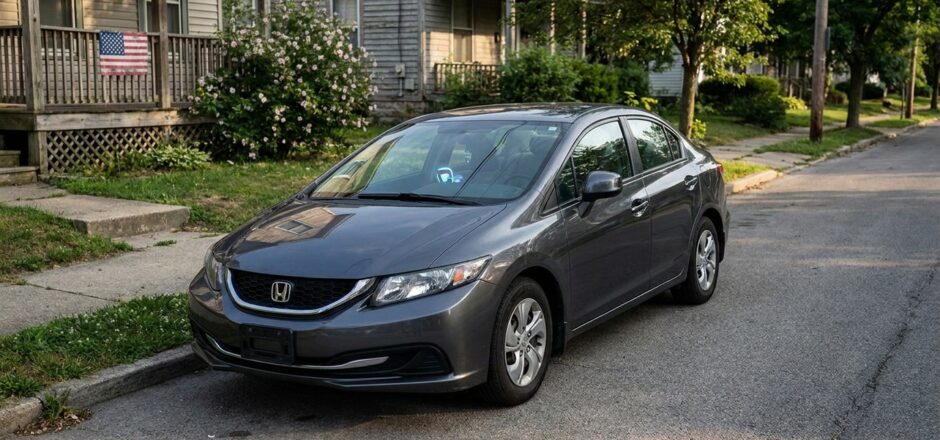
Memorial Day Weekend Rideshare Accidents in Kansas City: What You Need to Know
Memorial Day weekend brings increased activity across Kansas City, from Northland barbecues to downtown celebrations at Power & Light District. With more people out, many rely on Uber and Lyft for safe transportation. But what happens when your rideshare ride ends in a serious crash? If you or someone you love was injured this holiday weekend, you have legal options. Rideshare accident cases involve layered insurance rules and multiple potentially liable parties, making them more complex than typical accidents.
If you need guidance right now, our team at Ley de lesiones de Northland is here to help. Call us at 816-400-4878 o reach out online for a free consultation. We have recovered millions for injured clients across the Kansas City metro, backed by our 30-Day Satisfaction Guarantee.
How Rideshare Insurance Coverage Works in Missouri
Missouri law creates a specific framework for rideshare insurance that differs significantly from standard auto coverage. Under RSMo § 379.1702, effective April 1, 2017, every transportation network company (TNC) driver must maintain primary automobile insurance that recognizes their rideshare status. The Missouri TNC insurance statute lays out minimum coverage requirements that change depending on the driver’s status.
Coverage depends on which "period" the driver was in at crash time. There are three distinct periods: Period 1, when the app is on but the driver awaits a request; Period 2, when a ride is accepted and the driver is en route to pickup; and Period 3, when the passenger is in the vehicle.
| Coverage Period | Driver Status | Minimum Required Coverage |
|---|---|---|
| Period 1 | App on, waiting for a ride request | $50,000/$100,000/$25,000 liability, plus UM coverage |
| Period 2 | Ride accepted, en route to pickup | $1,000,000 primary liability, plus UM coverage |
| Period 3 | Passenger in the vehicle | $1,000,000 primary liability, plus UM coverage |
During Periods 2 and 3, TNCs provide $1 million in primary commercial liability insurance. But during Period 1, Missouri law only requires minimum liability coverage of $50,000 per person for death and bodily injury, $100,000 per incident, and $25,000 for property damage. This gap matters if you were hit by a rideshare driver logged in but who had not yet accepted a trip.
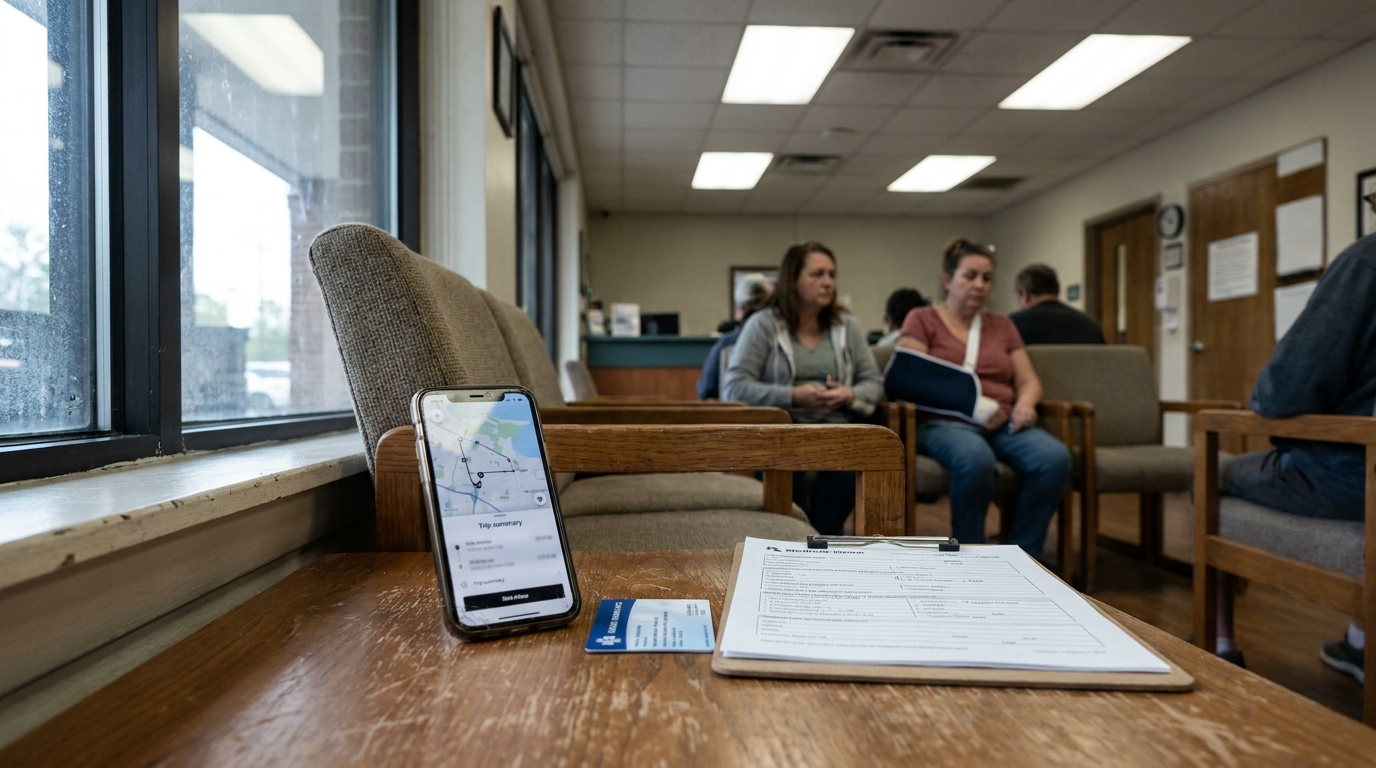
💡 Pro Tip: Save your Uber or Lyft trip receipt and screenshot your ride status immediately after an accident. This establishes which coverage period applies and can mean the difference between accessing $50,000 or $1,000,000 in coverage.
Why a Rideshare Accident Attorney in Kansas City Matters for Your Case
Rideshare crash cases differ from regular car accident claims, and handling one without experienced legal help can cost you. The insurance picture involves up to three potential policies: the driver’s personal auto insurance, the TNC’s contingent coverage, and the TNC’s commercial liability policy. Coverage can be provided by the driver, the TNC, or a combination under RSMo § 379.1702. This flexibility means insurers may deflect responsibility, leaving you caught in the middle.
Personal auto policies in Missouri may exclude coverage when a vehicle is used for commercial rideshare purposes. Under RSMo § 379.1708, insurers can exclude coverage for losses occurring while a driver is logged on to a TNC’s digital network. If the at-fault driver’s personal insurer denies the claim, the TNC’s insurance must step in. Under RSMo § 379.1702(4), if a driver’s personal insurance lapses or does not cover TNC activity, the TNC’s insurance must provide first-dollar coverage and has a duty to defend.
💡 Pro Tip: Do not give a recorded statement to any insurance adjuster before speaking with an attorney. Adjusters are trained to minimize payouts, and anything you say can reduce your compensation.
Coverage Gaps That Can Hurt Injured Passengers
Even with Missouri’s TNC insurance framework, significant coverage gaps remain. The TNC Model Bill, which forms the basis for commercial rideshare insurance laws nationwide, does not require coverage for medical payments, personal injury protection, collision, or comprehensive coverage. However, Missouri requires uninsured motorist (UM) coverage during all periods, providing important protection if the at-fault driver lacks sufficient insurance.
Most state TNC laws, including Missouri’s, do not require comprehensive or collision coverage during Period 1. This leaves drivers without physical damage coverage while waiting for requests. For passengers and other crash victims, an important concern is whether available underinsured motorist (UIM) coverage sufficiently compensates serious injuries.
The Real-World Impact of Higher Policy Limits
When TNC policy limits reach $1 million, the claims process looks very different. Research shows that 95 percent of personal auto claims settle below $100,000, but when the UM/UIM limit is $1 million, only 56 percent settle below that threshold. This means your rideshare injury claim may be worth substantially more than a comparable crash under a standard auto policy, but only if pursued properly.
💡 Pro Tip: Keep detailed records of every medical appointment, prescription, and missed workday from the moment of your accident. Thorough documentation strengthens your claim and ensures full compensation.
Rideshare Crash Victim Rights in Kansas City
As an injured rideshare passenger, pedestrian, or fellow driver, you have the right to pursue compensation from responsible parties. Missouri is a fault-based state, meaning the person who caused the accident bears financial responsibility. Your damages may include medical bills, lost wages, pain and suffering, and long-term care needs. For serious injuries like traumatic brain injuries, spinal damage, or fractures requiring surgery, these figures can reach well into six or seven figures.
Our team at Northland Injury Law has handled high-value injury cases throughout the Kansas City metro. Voted #1 Accident Lawyer and Best of the Northland, we bring over 50 years of combined attorney experience to every case. We understand Uber Lyft accident liability in Missouri and know how to hold these companies accountable. If you were hurt as a Kansas City car accident victim involving a rideshare vehicle, we are ready to fight for you.
Missouri’s Statute of Limitations for Rideshare Injury Claims
Time is a factor in every personal injury case. En RSMo § 516.120(4), Missouri applies a five-year statute of limitations to personal injury actions. While five years may sound sufficient, evidence disappears, witnesses forget details, and rideshare companies may purge trip data. If a rideshare accident results in fatality, the wrongful death statute is only three years from death, and medical malpractice claims carry a two-year deadline.
Courts generally interpret tolling exceptions narrowly. Missouri law tolls the statute in limited circumstances, such as when the injured party is a minor or mentally incapacitated, but these exceptions are fact-dependent. The safest approach is to consult with a rideshare accident lawyer as soon as possible to protect your rights and preserve critical evidence.
💡 Pro Tip: Request a copy of the police report within days of your accident. Reports contain key details about fault, witness information, and insurance data that become harder to obtain over time.
Steps to Take After a Memorial Day Rideshare Accident
What you do in the hours and days after a rideshare crash can shape your case outcome. Here are the most important steps:
- Call 911 and seek medical attention immediately, even if injuries seem minor. Serious conditions may not show symptoms right away.
- Document everything at the scene, including photos of vehicle damage, road conditions, traffic signals, and visible injuries.
- Screenshot your Uber or Lyft trip details before data disappears, including driver’s name, trip route, and timestamps.
- Get contact information from witnesses and the rideshare driver, including insurance details.
- Avoid posting about the accident on social media. Insurance companies monitor claimants’ accounts for anything to undermine your case.
💡 Pro Tip: If you were a rideshare passenger, your in-app ride data serves as powerful evidence confirming you were in the vehicle during the crash and establishing that Period 2 or Period 3 coverage should apply.
Preguntas frecuentes
1. What insurance covers me if I am injured as a rideshare passenger in Kansas City?
Does the Uber or Lyft company policy apply to my claim?
Yes, in most cases. During an active trip (Periods 2 and 3), Missouri law requires at least $1 million in primary automobile liability insurance. If the driver’s personal policy does not cover TNC activity, the rideshare company’s insurance must cover the claim from the first dollar.
2. How long do I have to file a rideshare accident lawsuit in Missouri?
What is the filing deadline for my injury claim?
Missouri’s statute of limitations for most personal injury claims is five years. However, shorter deadlines may apply: wrongful death claims require filing within three years, and medical malpractice claims within two years.
3. What if the rideshare driver’s personal insurance denies my claim?
Can I still recover compensation through the TNC’s policy?
You generally can. If the driver’s personal insurance does not cover TNC activity or has lapsed, the rideshare company’s insurance must step in with first-dollar coverage and a duty to defend the claim.
4. Does it matter whether the rideshare driver had a passenger at the time of the crash?
How does the driver’s status affect my available coverage?
It matters significantly. If the driver was merely waiting for a request (Period 1), minimum liability coverage may be only $50,000/$100,000/$25,000. If the driver had accepted a ride or had a passenger aboard (Periods 2 or 3), $1 million in liability coverage generally applies.
5. What damages can I recover after a rideshare accident in Missouri?
What compensation is available for my injuries?
You may recover compensation for medical expenses, lost income, pain and suffering, and future care needs. In cases involving catastrophic injuries, these claims can reach well into seven figures. Every case is unique, and the full scope of damages depends on injury severity and crash circumstances.
Protect Your Rights After a Kansas City Rideshare Accident
A Memorial Day rideshare accident can turn a holiday celebration into months of medical treatment, financial stress, and uncertainty. Missouri’s rideshare insurance framework provides important protections, but navigating multiple coverage periods, potential policy exclusions, and competing insurer interests is not something you should tackle alone.
Nuestro equipo de Ley de lesiones de Northland talks to you, not at you. We have recovered millions for Kansas City families dealing with serious injuries, and we treat every client like a neighbor, not a case number. Call us today at 816-400-4878 o contact us online to schedule your free consultation. With our 30-Day Satisfaction Guarantee, you have nothing to lose and everything to gain.

Ubicación
Ley de lesiones de Northland
4151 N. Mulberry Drive
Suite 225
Kansas City, MO 64116


© 2026 Northland Injury Law • All Rights Reserved •