
Servicio Kansas City y más allá. No espere más. ¡Obtenga su compensación ahora!
 English
 E-Bike Accident in Kansas City: Who Is Liable After a Crash?
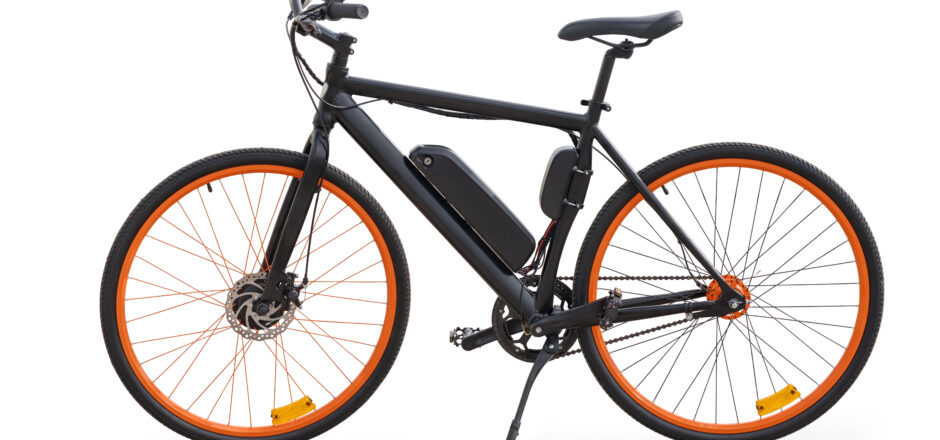
As e-bikes and e-motos become increasingly popular throughout Kansas City, determining who is responsible after an accident has become much more complicated than in a traditional bicycle or car crash. Liability may fall on the rider, a parent, a vehicle driver, a manufacturer, a property owner, or even multiple parties, depending on the circumstances. Because electric bikes and electric motorcycles operate in a legal gray area between bicycles and motor vehicles, accident victims often face complex insurance disputes and questions about fault. If you’ve been injured in an e-bike or e-moto accident in Missouri or Kansas, understanding your rights is critical.
The Growing Popularity of E-Bikes and E-Motos in Kansas City
Electric bicycles, electric scooters, and high-powered e-motos are becoming common sights throughout the Kansas City metro area. Riders use them for commuting, recreation, and transportation, while many teenagers view them as an alternative to driving.
While these vehicles offer convenience and affordability, they also create new safety concerns. Emergency rooms, law enforcement agencies, and municipalities across the country are reporting increases in serious accidents involving electric-powered vehicles.
Many of these crashes involve:
- Motor vehicles and e-bike riders
- Pedestrians struck by e-bikes
- Children operating high-speed electric vehicles
- Group riding incidents
- Collisions on trails and shared-use paths
- Single-vehicle crashes caused by excessive speed or road hazards
As the number of accidents rises, personal injury lawyers are seeing more cases involving unique legal and insurance challenges.
Understanding the Different Types of E-Bikes
Not all electric bikes are created equal. The classification of an e-bike can significantly impact liability, insurance coverage, and legal responsibility after an accident.
Class 1 E-Bikes: Class 1 e-bikes provide pedal assistance only and typically reach speeds up to 20 miles per hour. These are generally considered the closest equivalent to traditional bicycles.
Class 2 E-Bikes: Class 2 e-bikes include a throttle system that allows riders to accelerate without pedaling. Most are limited to approximately 20 miles per hour.
Class 3 E-Bikes: Class 3 e-bikes offer pedal assistance and may reach speeds up to 28–30 miles per hour. Because of their increased speed, some jurisdictions impose additional restrictions regarding age and permitted riding locations.
E-Motos and Electric Motorcycles
E-motos often resemble small motorcycles rather than bicycles. Many exceed 30 miles per hour, lack pedals, and can reach speeds that rival traditional gas-powered motorcycles.
These vehicles frequently raise legal questions regarding:
- Driver licensing requirements
- Registration requirements
- Insurance obligations
- Helmet laws
- Roadway access
- Negligence claims
The faster and more powerful the vehicle, the greater the potential for catastrophic injuries and complex legal disputes.
Kansas City Area Regulations Are Constantly Evolving
One challenge facing riders and accident victims is that regulations vary significantly throughout the Kansas City metropolitan area.
Several local communities have implemented their own rules regarding electric bicycles and e-motos:
Overland Park
Overland Park has implemented regulations concerning age restrictions, vehicle classifications, and labeling requirements.
Olathe
Olathe has focused on helmet requirements for younger riders and restrictions regarding where certain electric vehicles may operate.
Leawood
Leawood has emphasized public education, rider safety, and helmet awareness.
Prairie Village and Shawnee
These communities have adopted regulations focused on youth riders and safe operation in public spaces.
Fairway
Fairway has taken a more restrictive approach with youth-focused safety measures.
Kansas City, Missouri
Kansas City generally follows Missouri’s e-bike classifications while regulating usage on trails, sidewalks, and public pathways.
Because regulations can differ from city to city, determining fault after an accident may require examining both state law and local ordinances.
Common Causes of E-Bike and E-Moto Accidents
Like traditional motorcycle and bicycle accidents, many e-bike crashes result from preventable negligence.
Algunas de las causas más comunes son:
Falta de atención del conductor
Motorists frequently fail to see e-bike riders, especially when making left turns, changing lanes, or entering intersections.
Excessive Speed
Many riders underestimate how quickly electric-powered vehicles accelerate, leading to loss of control or reduced reaction time.
Failure to Yield
Both vehicle drivers and riders can contribute to accidents by failing to yield the right-of-way.
Unsafe Trail and Sidewalk Conditions
Poorly maintained pathways, potholes, uneven pavement, and debris can cause serious crashes.
Reckless or Inexperienced Youth Riders
Young riders operating powerful e-motos may lack the experience necessary to safely navigate traffic conditions.
Can Parents Be Held Responsible for an E-Bike Accident?
In some situations, yes.
Parents may face liability if they knowingly allow a child to operate a high-powered electric vehicle despite being aware of dangerous behavior or a lack of experience.
These claims often involve allegations of negligent supervision or negligent entrustment.
Examples may include:
- Purchasing an e-moto capable of 40+ mph for a young child
- Allowing repeated reckless riding behavior
- Ignoring prior accidents or safety complaints
- Permitting operation in areas where the vehicle is prohibited
Whether a parent can be held legally responsible depends on the specific facts of the case and the laws of Missouri or Kansas.
Insurance Challenges in E-Bike and E-Moto Cases
One of the most complicated aspects of these cases involves insurance coverage.
Insurance companies often dispute whether an electric vehicle should be treated as:
- A bicycle
- A motor vehicle
- A recreational vehicle
- A motorcycle
These classifications can determine which insurance policy applies and whether coverage exists at all.
Potential sources of coverage may include:
Homeowners Insurance
Some propietarios policies may provide coverage, but exclusions frequently apply.
Auto Insurance
Coverage may exist if a motor vehicle contributed to the collision.
Umbrella Insurance
Umbrella policies can provide additional protection when damages exceed standard policy limits.
Specialty Vehicle Insurance
Some e-motos and high-powered electric vehicles require separate insurance coverage.
Because insurance companies often look for reasons to deny these claims, early legal guidance can help preserve important evidence and identify all available coverage sources.
How Missouri and Kansas Comparative Fault Laws Affect Your Case
Fault plays a significant role in determining compensation after an accident.
Missouri Comparative Fault
Missouri follows a pure comparative fault system. This means an injured person may still recover compensation even if they are primarily responsible for the accident. However, their recovery is reduced by their percentage of fault.
Kansas Comparative Fault
Kansas follows a modified comparative fault system. If an injured person is found to be 50% or more at fault, they are barred from recovering compensation.
This distinction can dramatically affect the outcome of an e-bike accident claim, particularly when multiple parties share responsibility.
What Should You Do After an E-Bike or E-Moto Accident?
If you’ve been injured in an electric bike or e-moto accident, consider taking the following steps:
- Seek immediate medical attention.
- Call law enforcement and obtain a police report.
- Photograph the scene, vehicles, and injuries.
- Preserve the e-bike or e-moto involved.
- Obtain witness information.
- Avoid discussing fault with insurance companies.
- Consult an experienced Kansas City personal injury lawyer as soon as possible.
Early investigation is often critical because evidence such as surveillance footage, vehicle data, and witness statements can disappear quickly.
Speak With a Kansas City E-Bike Accident Lawyer
As e-bikes and e-motos continue to reshape transportation throughout Missouri and Kansas, the legal issues surrounding these accidents will only become more complicated. Questions involving liability, parental responsibility, local ordinances, insurance coverage, and comparative fault require careful analysis.
At Northland Injury Law, we help accident victims throughout Kansas City understand their rights and pursue the compensation they deserve. If you or a loved one has been injured in an e-bike or e-moto accident, contact our office today for a free consultation and case evaluation.

Ubicación
Ley de lesiones de Northland
4151 N. Mulberry Drive
Suite 225
Kansas City, MO 64116


© 2026 Northland Injury Law • All Rights Reserved •