
Servicio Kansas City y más allá. No espere más. ¡Obtenga su compensación ahora!
 English
 What Does Prevailing Factor Mean in a Kansas City Work Comp Case?

Understanding the Prevailing Factor Standard in Missouri Workers’ Comp
If you’ve been hurt on the job in Kansas City and your workers’ comp claim was denied, the words "prevailing factor" likely played a role in that decision. Under RSMo § 287.020(3)(1), an injury by accident is compensable only if the accident was the prevailing factor in causing both the resulting medical condition and disability. Your workplace incident must be the primary reason you’re injured, not just one of several contributing factors. This standard catches many injured workers off guard, and insurance companies use it daily to deny legitimate claims. Understanding what "prevailing factor" means and how to prove it can make the difference between getting benefits and walking away empty-handed.
If you’ve been injured at work and need guidance, our team at Ley de lesiones de Northland is here to help. Call us at 816-400-4878 o reach out online for a free consultation. We back every case with our 30-Day Satisfaction Guarantee.
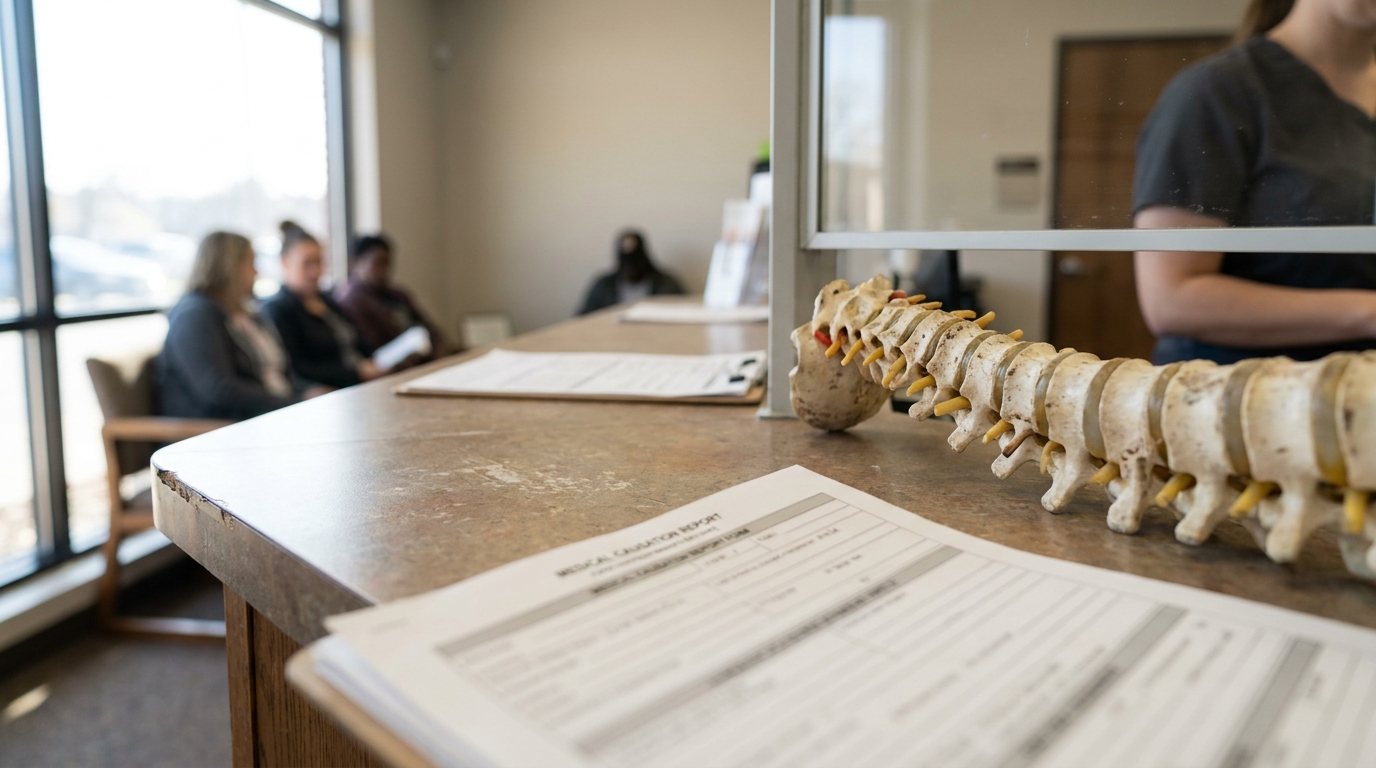
What "Prevailing Factor" Means Under Missouri Workers’ Compensation Law
Missouri’s legislature didn’t always use the prevailing factor standard. Before 2005, injured workers needed to show work was "a substantial factor" in causing their condition. The law changed to require the on-the-job injury be the prevailing factor. Under RSMo § 287.020, "the prevailing factor" is defined as the primary factor, in relation to any other factor, causing both the resulting medical condition and disability. Your work injury must outweigh every other possible cause.
This is a higher bar than most expect. If you hurt your back lifting heavy pallets at a warehouse and your employer’s insurance finds out you had a prior back issue, they may argue the job wasn’t the prevailing factor. RSMo § 287.020(2) makes clear an injury is not compensable simply because work was a triggering or precipitating factor. Even if your job worsened an old condition, insurers may fight your claim unless you show the workplace accident was the primary cause of your current condition and disability.
💡 Pro Tip: A pre-existing condition doesn’t automatically disqualify your claim. Many workers with prior issues still qualify when the work accident is the primary cause of their current condition.
How the Prevailing Factor Standard Affects Your Workers Comp Claim Kansas City MO
The prevailing factor test applies to nearly every work injury claim in Missouri. Whether you slipped on a wet floor, got hurt operating machinery, or developed carpal tunnel from assembly work, this standard applies. Under RSMo § 287.020(3)(4), cardiovascular, pulmonary, respiratory, or cerebrovascular conditions are compensable only if the accident is the prevailing factor. Workers who suffer heart attacks or respiratory problems face especially tough claims.
Missouri law excludes certain causes outright. Under RSMo § 287.020(3)(3), injuries from idiopathic causes (personal or non-work-related) are not compensable. If you fainted at work due to a personal medical condition and hurt yourself, the insurer will argue the injury was idiopathic. Additionally, RSMo § 287.020(3)(2)(b) requires the injury must not come from a hazard unrelated to employment to which workers would be equally exposed outside work. These exclusions give insurers multiple angles to challenge claims.
| Type of Injury | Prevailing Factor Requirement | Key Statute |
|---|---|---|
| Accident-based injury | Accident must be the primary cause of condition and disability | RSMo § 287.020(3)(1) |
| Enfermedad profesional | Occupational exposure must be the primary cause | RSMo § 287.067, Section 2 |
| Repetitive motion injury | Same prevailing factor standard as occupational disease | RSMo § 287.067, Section 3 |
| Cardiovascular/pulmonary condition | Accident must be the primary cause of the medical condition | RSMo § 287.020(3)(4) |
| Idiopathic (personal) cause | Not compensable | RSMo § 287.020(3)(3) |
💡 Pro Tip: Document everything immediately after a workplace injury. Take photos, report to your supervisor in writing, and keep copies of medical records. Strong contemporaneous evidence helps prove the prevailing factor standard.
Occupational Diseases and Repetitive Motion: A Closer Standard for Kansas City Workers
Repetitive stress injuries and occupational diseases face the same high bar. En RSMo § 287.067, Section 2, an injury or death by occupational disease is compensable only if occupational exposure was the prevailing factor in causing both the resulting medical condition and disability.
Repetitive motion injuries are recognized as occupational diseases under RSMo § 287.067, Section 3. If you’ve developed tendinitis, carpal tunnel, or shoulder problems from repetitive work, your claim falls under this framework. The statute excludes ordinary, gradual deterioration, or progressive degeneration caused by aging or normal daily activities. Insurance adjusters lean heavily on this exclusion, especially with older workers. That doesn’t mean your claim lacks merit, you need solid medical evidence connecting your work duties to your condition.
💡 Pro Tip: For repetitive motion claims, a detailed job description strengthens your case. The more specific you are about physical demands, the easier it is for a doctor to connect those duties to your injury.
Why Insurance Companies Use the Prevailing Factor to Deny Kansas City Workplace Injury Claims
Denied claims aren’t always final. Insurance carriers know the prevailing factor standard well and use it as a gatekeeping tool. If they can point to any other possible cause, age, prior injury, or weekend activities, they’ll argue your job wasn’t the prevailing factor. Many legislative changes to Missouri workers’ comp are still being tested in courts, and that uncertainty sometimes works in insurers’ favor.
Proving prevailing factor often comes down to medical evidence. Your treating physician’s opinion carries significant weight, but insurers frequently send injured workers to their own doctors for independent medical examinations. Those opinions may downplay the workplace injury’s role. If you’re dealing with a denied or underpaid claim, an experienced Missouri work comp attorney can review your medical records and reveal weaknesses in the denial. Understanding no-fault workers’ comp principles is important, while Missouri’s system is no-fault, the prevailing factor standard still requires proving causation.
What Happens When You Settle a Workers Compensation Attorney in Kansas City Case
Before accepting any settlement, understand what you’re giving up. Missouri workers’ comp settlements are typically lump-sum and "full and final," meaning you give up all future workers’ comp benefits related to that injury. Once signed, there’s generally no going back.
Many injured workers feel pressure to settle quickly, especially when bills pile up. But a fast settlement that doesn’t account for future medical needs, lost earning capacity, or the full extent of your disability may cost you far more long-term. Our team has recovered millions for clients because we understand the full picture before advising on any resolution.
💡 Pro Tip: Never sign a settlement without understanding how it affects your right to future medical treatment. Once a "full and final" settlement is signed in Missouri, reopening the claim is generally not an option.
How a Workers Compensation Attorney in Kansas City Can Help Prove Prevailing Factor
Building a prevailing factor case requires more than telling your story. It requires organized medical records, credible physician opinions linking your condition to work duties, and clear understanding of how Missouri courts interpret these statutes. With amendments in 2005, 2008, 2013, and 2017, and with a 2023 amendment to the related Section 287.067, the prevailing factor standard continues to evolve.
At Northland Injury Law, we’ve spent over 50 combined years helping injured workers across the Kansas City metro. From Liberty and Gladstone to Warrensburg and Chillicothe, we know what adjusters look for and how to build cases that meet Missouri’s prevailing factor standard. Voted #1 Accident Lawyer and Best of the Northland, we treat every client like a neighbor. If you need a Kansas City work injury lawyer, we’re ready to help.
💡 Pro Tip: Keep a personal journal after your injury noting pain levels, limitations, and how the injury affects daily life. This documentation supports your claim and helps your attorney present a complete picture.
Preguntas frecuentes
1. What does "prevailing factor" mean in a Missouri workers’ comp case?
What the Law Requires
Under RSMo § 287.020(3)(1), "the prevailing factor" means the primary factor, in relation to any other factor, causing both the resulting medical condition and disability. Your work injury must outweigh all other contributing causes.
2. Can I still get workers’ comp if I had a pre-existing condition?
Pre-Existing Conditions and Your Claim
Yes, in many cases you may still qualify. The key question is whether the workplace accident was the prevailing factor in causing your current condition and disability. Strong medical evidence connecting work duties to current symptoms is essential.
3. What types of injuries does the prevailing factor standard apply to?
Covered Injury Types
The standard applies broadly across Missouri workers’ comp claims. This includes sudden accidents, occupational diseases, repetitive motion injuries under RSMo § 287.067, and cardiovascular or pulmonary conditions. Each requires proving work was the primary cause of your condition and disability.
4. Why would an insurance company deny my claim based on prevailing factor?
Common Denial Tactics
Insurers deny claims when they can argue another factor, aging, prior injury, or non-work activity, contributed more to your condition than the job did. An experienced attorney can challenge these denials with proper medical and vocational evidence.
5. What should I do if my workers’ comp claim was denied in Kansas City?
Next Steps After a Denial
Don’t assume a denial is final. You generally have the right to dispute through the Missouri Division of Workers’ Compensation. Gathering additional medical documentation, obtaining supportive physician opinions, and working with an attorney who understands the prevailing factor standard can significantly strengthen your position.
Protecting Your Rights After a Kansas City Work Injury
The prevailing factor standard is one of the biggest hurdles injured workers face in Missouri, but it’s not insurmountable. With the right medical evidence, timely reporting, and a legal team that understands how Missouri courts interpret RSMo §§ 287.020 and 287.067, you can build a strong case for deserved benefits.
If you’re dealing with a work injury in Kansas City and need someone in your corner, Ley de lesiones de Northland is ready to help. We offer a 30-Day Satisfaction Guarantee. Call us today at 816-400-4878 o contact us online to schedule your free consultation. Don’t wait. Get compensated now.

Ubicación
Ley de lesiones de Northland
4151 N. Mulberry Drive
Suite 225
Kansas City, MO 64116


© 2026 Northland Injury Law • All Rights Reserved •