
 Spanish
 What Should KC Riders Do After an Uber or Lyft Crash?
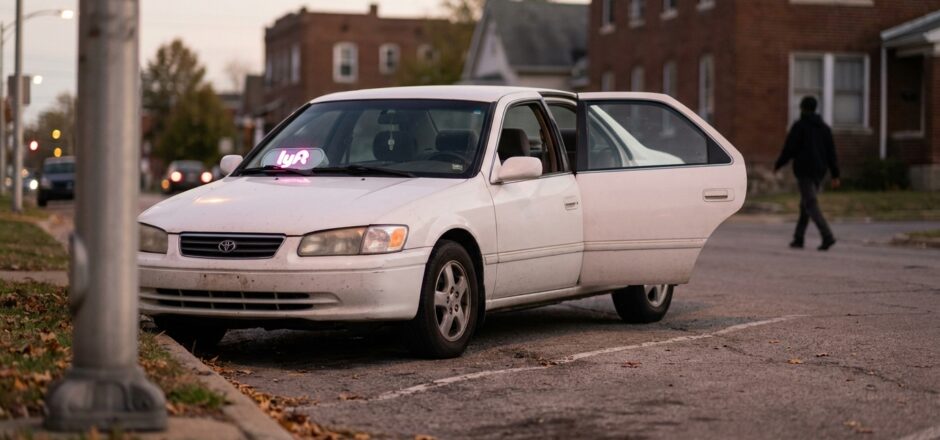
If you were just hurt in a rideshare accident in Kansas City, you are probably overwhelmed, in pain, and unsure what comes next. Thousands of KC residents rely on Uber and Lyft every week to get around the metro. When a crash happens mid-ride, the situation gets complicated fast because rideshare accidents involve layered insurance policies, corporate claims processes, and Missouri-specific laws that most people have never encountered. Missouri law provides real protections for injured rideshare passengers, and knowing your rights early can make a significant difference in your recovery and your claim.
At Northland Injury Law, our team has spent over 50 years combined helping Kansas City families navigate serious injury cases, recovering millions in verdicts and settlements. If you were injured in a rideshare crash, call us at 816-400-4878 or reach out online for a free consultation.
Why Rideshare Crashes in KC Are Different From Regular Car Accidents
Rideshare accidents involve insurance questions that simply do not exist in a typical car accident. In a standard wreck, you generally deal with two drivers and two personal auto policies. In an Uber or Lyft crash, there may be three or more insurance layers in play, and which one covers your injuries depends on what the driver was doing with the app at the exact moment of the collision.
Personal auto insurance policies generally exclude coverage when the driver is operating for rideshare business purposes. Missouri law under RSMo § 379.1708 allows auto insurers to exclude or limit all coverage for any loss that occurs while a driver is logged on to a TNC digital network or providing a prearranged ride. Those exclusions can apply to liability, uninsured/underinsured motorist, medical payments, comprehensive, and collision coverage. Rideshare company insurance is required to fill that gap.
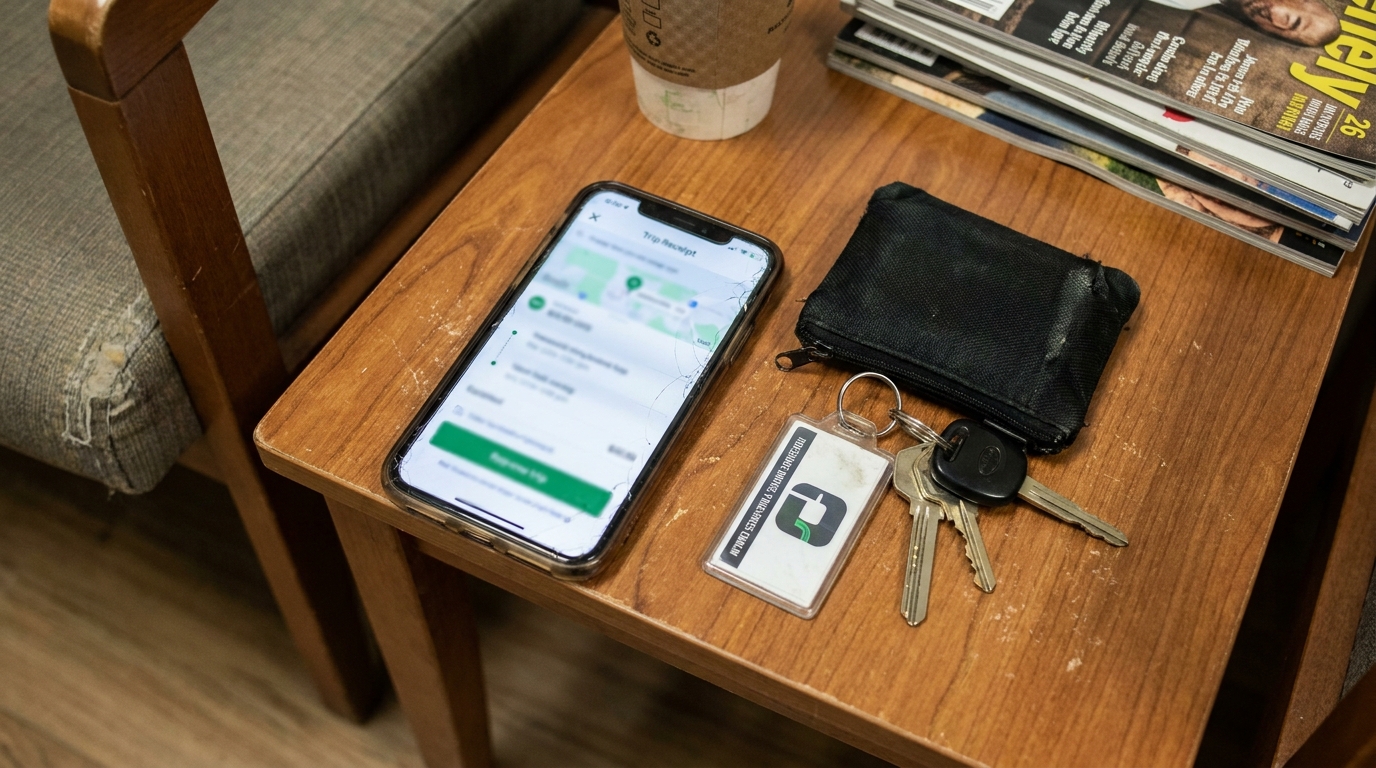
💡 Pro Tip: Screenshot your Uber or Lyft trip confirmation and ride receipt immediately after a crash. That timestamped record proves you were an active passenger and helps establish which insurance period applies to your claim.
Understanding Rideshare Insurance Periods Under Missouri Law
The amount of insurance available to you after a rideshare crash depends entirely on the driver’s app status at the time of the collision. Missouri law under RSMo § 379.1702 sets minimum coverage requirements for transportation network companies in two distinct phases, and the coverage differences are dramatic.
Period 0: App Is Off
When a rideshare driver’s app is turned off, they are just another motorist on the road. Company insurance does not apply, and any claim would go through the driver’s personal auto policy. If you need help with a collision like this, a Kansas City car accident lawyer can walk you through your options.
Period 1: App On, Waiting for a Ride Request
Once the driver turns the app on and is available for requests but has not yet accepted one, a contingent liability policy kicks in. Under RSMo § 379.1702(2)(1), the TNC must maintain primary automobile liability insurance of at least $50,000 per person for death or bodily injury, $100,000 per incident, and $25,000 for property damage.
Periods 2 and 3: En Route to Pickup and Passenger On Board
Once the driver accepts a ride and heads to pick you up, or while you are in the vehicle, coverage jumps significantly. RSMo § 379.1702(3)(1) requires at least $1 million in primary auto liability insurance for death, bodily injury, and property damage during a prearranged ride.
| Rideshare Period | Driver Status | Minimum Coverage |
|---|---|---|
| Period 0 | App off | Personal auto policy only |
| Period 1 | App on, awaiting request | $50K/$100K/$25K liability |
| Period 2 | En route to pick up passenger | $1 million liability |
| Period 3 | Passenger on board | $1 million liability |
💡 Pro Tip: If the rideshare driver’s personal insurance has lapsed or is insufficient, Missouri law requires the TNC’s insurance to cover the claim starting from the first dollar under RSMo § 379.1702(4).
What to Do After a Rideshare Accident: Practical Steps for KC Riders
The minutes and days after a crash matter more than most people realize. Here is what we recommend based on decades of handling serious injury cases:
- Call 911 and get medical attention immediately. Adrenaline can mask injuries. A police report and medical records created close to the crash become critical evidence.
- Document everything at the scene. Take photos of vehicle damage, the intersection, traffic signals, and your injuries. Get the rideshare driver’s name and the other driver’s information.
- Save your Uber or Lyft trip data. Your ride history and trip receipt prove your passenger status and pin down the timeline.
- Do not give recorded statements to any insurance company without legal guidance. Adjusters work to minimize payouts, not help you recover fully.
- Keep all medical records and bills organized. Track every doctor visit, prescription, and therapy appointment from the beginning.
💡 Pro Tip: Missouri law under RSMo § 379.1702(4) provides that when a driver’s insurance has lapsed or does not provide required coverage, the TNC’s insurance must step in from the first dollar. Do not accept delays from adjusters who tell you to "try the driver’s personal insurance first."
How a Rideshare Accident Attorney in Kansas City Can Protect Your Claim
Rideshare injury claims involve multiple insurers, corporate legal teams, and coverage disputes that can quickly become overwhelming for someone recovering from serious injuries. Uber and Lyft both have large claims departments with experienced adjusters focused on limiting what they pay. Having an attorney who understands Missouri’s TNC insurance framework levels the playing field.
Under RSMo § 379.1708(6), TNCs and their insurers must cooperate in claims investigations by sharing relevant information, including the precise times a driver logged on and off the app and a clear description of coverage, exclusions, and limits. This cooperation requirement is a valuable tool, but it takes legal knowledge to enforce it effectively. Our team at Northland Injury Law has the experience and resources to hold these companies accountable, recovering settlements and verdicts in the $1.5M to $2M+ range for seriously injured clients.
If you are researching your options after a rideshare collision, our KC rideshare accident guide breaks down the claims process in more detail.
💡 Pro Tip: Be cautious about early settlement offers from rideshare insurance companies. These initial offers rarely reflect the true cost of your medical treatment, lost wages, and long-term recovery needs.
Know Your Deadlines: Missouri’s Statute of Limitations for Rideshare Injury Claims
Missouri gives you a limited window to file a lawsuit after a rideshare crash, and missing that deadline can permanently bar your claim. Under RSMo § 516.120, Missouri generally applies a five-year statute of limitations for most personal injury and property damage claims. However, certain tort claims may be subject to a shorter two-year statute of limitations under RSMo § 516.140, and wrongful death claims carry their own separate deadline.
Even the longest deadline may sound like plenty of time, but delays can seriously weaken a case. Witnesses forget details, surveillance footage gets deleted, and medical records become harder to connect to the crash. Courts interpret tolling exceptions narrowly, so do not assume extra time applies without consulting an attorney.
💡 Pro Tip: Starting the claims process early preserves evidence and strengthens your negotiating position with insurers. We recommend contacting an attorney within the first few weeks after your crash.
Frequently Asked Questions
1. What insurance covers me if I am injured as a passenger in an Uber or Lyft in Kansas City?
If you are a passenger during an active ride, the rideshare company’s insurance generally provides up to $1 million in primary liability coverage under RSMo § 379.1702. If the driver’s personal insurance has lapsed, the TNC’s policy must cover the claim from the first dollar.
2. Can the rideshare driver’s personal auto insurance deny my claim?
Yes, and it frequently happens. Missouri law under RSMo § 379.1708(1) allows personal auto insurers to exclude all coverage when a driver is logged on to a rideshare app. However, the TNC’s insurance is required to fill that gap under RSMo § 379.1702(4).
3. How long do I have to file a rideshare accident lawsuit in Missouri?
Missouri’s statute of limitations for many personal injury claims is generally five years under RSMo § 516.120. However, certain tort actions and wrongful death claims may be subject to shorter deadlines. Consult an attorney early to determine which deadline applies to your situation.
4. What if another driver caused the Uber or Lyft crash?
You may have claims against both the at-fault driver’s insurance and the rideshare company’s coverage. Missouri’s rideshare insurance laws require cooperation between TNCs and their insurers during claims investigations under RSMo § 379.1708(6).
5. Should I talk to the rideshare company’s insurance adjuster after a crash?
We strongly recommend speaking with an attorney before giving any recorded statement. Insurance adjusters work for the company, not for you. Anything you say can be used to minimize your claim. Having legal counsel handle communications protects your rights and your recovery.
Taking the Right Next Step After a Kansas City Rideshare Crash
A rideshare accident can turn your life upside down in an instant, but you do not have to navigate the aftermath alone. Missouri law provides meaningful protections for injured passengers, from mandatory million-dollar coverage during active rides to cooperation requirements that hold rideshare companies accountable. The key is acting early, preserving your evidence, and having someone in your corner who understands these cases.
Our team at Northland Injury Law is rooted right here in the KC Northland. If you or someone you love was hurt in an Uber or Lyft accident, call us today at 816-400-4878 or contact us online to schedule your free consultation.



© 2026 Northland Injury Law • All Rights Reserved •