
 Spanish
 What Evidence Should a KC Truck Crash Attorney Preserve?
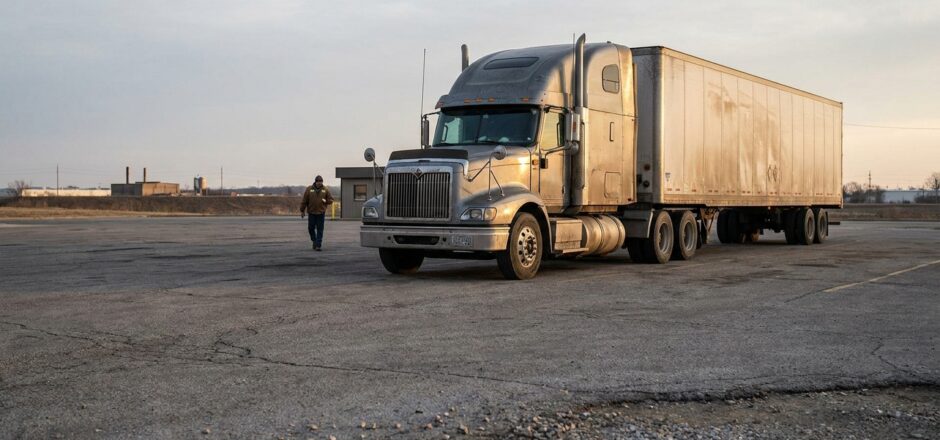
Why Preserving Evidence After a Kansas City Truck Crash Can Make or Break Your Case
If you or a loved one has been hit by a commercial truck in the Kansas City area, the evidence that exists right now may not exist tomorrow. Trucking companies deploy response teams within hours of a crash, often working to limit their exposure before you even leave the hospital. Electronic logging devices get overwritten, dashcam footage disappears, and driver records can be altered. Knowing what evidence matters and how to preserve it quickly is critical to protecting your right to fair compensation. Truck accident cases involve far more evidence than typical car crashes, and the preservation window can be shockingly short.
At Northland Injury Law, our team has spent over 50 years combined helping seriously injured Kansas City families. Voted #1 Accident Lawyer and Best of the Northland, we treat every client like a neighbor, not a number. Call us at 816-400-4878 or reach out online for a free consultation. We offer a 30-Day Satisfaction Guarantee because you deserve confidence in your legal team from day one.
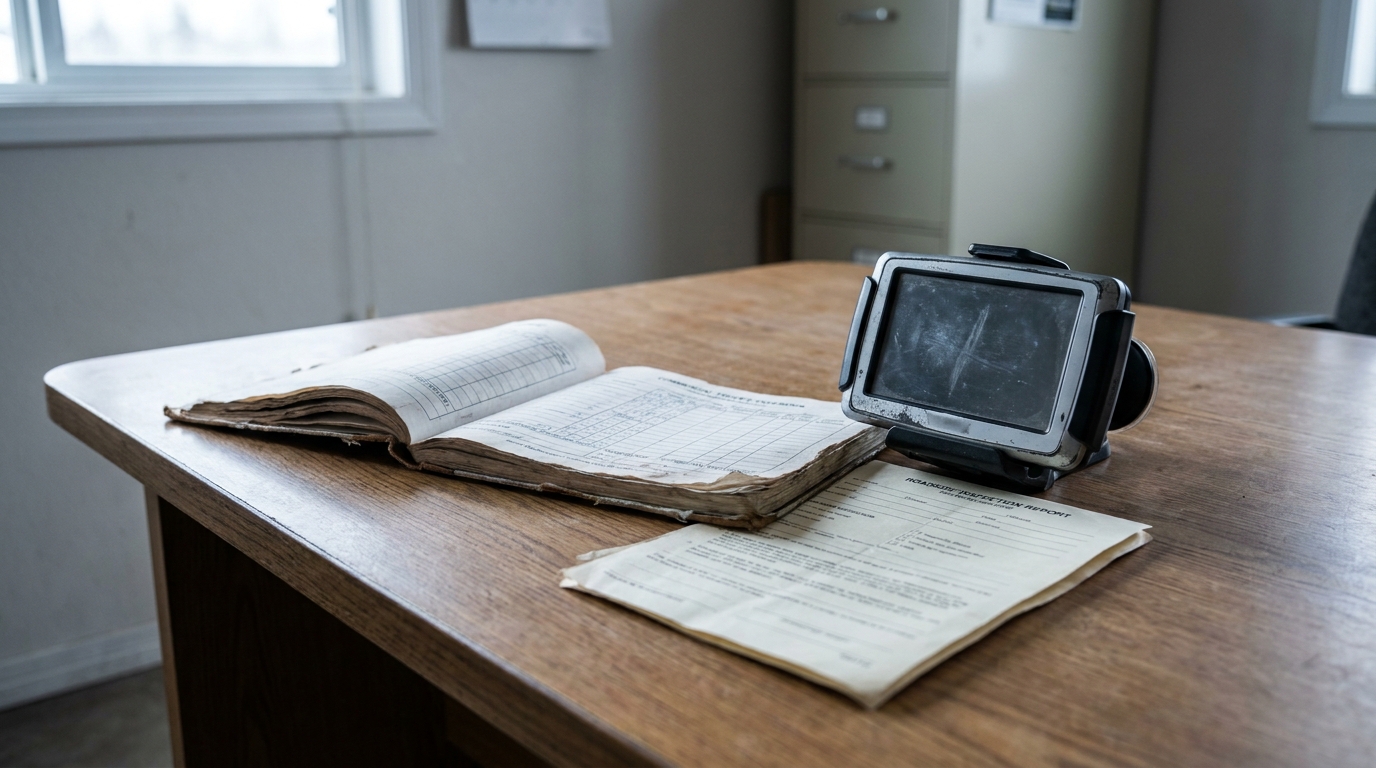
The Critical Types of Truck Crash Evidence in Missouri
Not all evidence carries equal weight, but in a truck accident claim, several categories of proof tend to be decisive. Understanding what to look for helps you and your attorney build the strongest case.
Below is a breakdown of the key evidence categories and why each matters:
| Evidence Type | What It Includes | Why It Matters |
|---|---|---|
| Electronic Data | Black box (ECM/EDR), ELD records, GPS logs | Shows speed, braking, hours driven, and route |
| Driver Records | CDL compliance, drug test results, training docs, driving logs | Reveals whether the driver was qualified and alert |
| Company Records | Hiring files, maintenance logs, dispatch communications | Establishes trucking company negligence or patterns |
| Scene Evidence | Photos, dashcam/traffic cam footage, skid marks, debris | Reconstructs what happened and who was at fault |
| Regulatory Records | Permits, load manifests, oversize/overweight documentation | Shows violations of Missouri transportation rules |
| Medical/Toxicology | Post-crash drug screens, hospital records | Documents impairment or injuries |
Black Box and ELD Data
Commercial trucks are equipped with electronic control modules and electronic logging devices that record critical information. This data reveals the truck’s speed at impact, whether the driver applied brakes, hours on the road, and whether mandatory rest periods were observed. ECM/EDR data can be overwritten in as little as 30 days if the truck continues to operate, while ELD records are required by federal law to be retained by carriers for six months under 49 CFR Part 395. A truck accident attorney in Kansas City will typically send a spoliation letter immediately, demanding that all electronic data be preserved.
💡 Pro Tip: Ask your attorney about sending a preservation letter within 48 hours. ECM/EDR data can be overwritten quickly if the vehicle continues to operate, and although ELD records must be retained for six months, preserving all electronic data promptly is important because once some data is gone, it cannot be recovered.
Driver Logs and CDL Compliance Records
Missouri law requires commercial drivers to maintain accurate logs of their driving hours, and their CDL must be current and valid. In a recent Missouri Supreme Court case, the court found that a truck driver’s multiple CDL manual violations and his employer’s acceptance of that conduct demonstrated conscious disregard for safety. That finding supported $10 million in aggravating circumstances damages against the trucking company.
How Regulatory Violations Strengthen a Truck Accident Attorney in Kansas City’s Case
When a trucking company or driver violates Missouri transportation regulations, that violation serves as powerful evidence of negligence. Missouri law prohibits vehicles wider than 102 inches on highways unless the operator has obtained a special oversize/overweight permit from MoDOT. In Vintila v. Drassen, the court examined a case where a driver transporting a 14-foot-wide mobile home section violated oversize load permit terms. That regulatory violation proved critical to establishing causation.
This principle applies broadly across truck crash cases on Kansas City highways. Whether it involves an overweight load on I-35, a driver exceeding hours-of-service limits on I-29, or a carrier that skipped mandatory vehicle inspections, preserving evidence of the violation is essential.
💡 Pro Tip: Permit records, load manifests, and dispatch logs are often held by third parties like brokers or shippers. Your attorney may need to issue subpoenas to multiple companies to capture the full picture.
Why Trucking Company Hiring and Supervision Records Matter
The trucking company’s internal records can be just as important as what happened on the road. In many Kansas City truck accident cases, liability extends beyond the driver to the carrier that hired, trained, and supervised them. Hiring records, background checks, training certifications, and supervision protocols can reveal whether the company cut corners.
Employer-Employee Relationships and Fault Allocation
Under Missouri’s fault allocation statute, RSMo § 537.067, how fault is divided among multiple defendants can dramatically affect your recovery. If a defendant bears 51% or more of the fault, that party is jointly and severally liable for the full judgment. If a defendant bears less than 51% fault, they are only responsible for their proportionate share. One important exception exists when the other defendant was acting as an employee of the party, in which case the employer remains responsible for that employee’s share regardless of percentage.
💡 Pro Tip: Don’t assume the truck driver is the only party at fault. Trucking companies, load brokers, maintenance providers, and vehicle manufacturers may all share responsibility. Identifying every liable party early gives you the best chance at full compensation.
Missouri’s Statute of Limitations and the Urgency of Preserving Evidence
Missouri RSMo § 516.120(4) sets a five-year statute of limitations for most personal injury and property damage claims, including truck accident lawsuits. However, if the crash results in a fatality, a wrongful death claim must be filed within three years of the date of death under RSMo § 537.100. While five years may sound like ample time, evidence doesn’t wait. Electronic data gets overwritten, witnesses forget details, and trucking companies may cycle through vehicles and employees.
Courts generally interpret tolling exceptions narrowly, so don’t assume extra time will be available. The safest approach is to begin evidence preservation immediately and consult an attorney as soon as possible.
💡 Pro Tip: Even if you’re unsure whether you have a case, contacting a Kansas City truck accident lawyer for a free consultation costs nothing and could protect evidence that would otherwise disappear.
How Multi-Party Liability Affects Your Missouri Truck Accident Claim
Truck crashes rarely involve just one at-fault party, and Missouri law provides specific rules for how liability is shared. Under RSMo § 537.060, defendants in a judgment for a private wrong are subject to contribution. Additionally, a release given in good faith to one tortfeasor does not discharge the others but reduces the claim by the greater of the stipulated amount or consideration paid. These rules make it critical to identify and preserve evidence related to every potentially liable party from the beginning.
Toxicology and Drug Testing Evidence
Post-crash drug and alcohol testing results can play a pivotal role in determining fault. In the Missouri Supreme Court case Schultz v. Great Plains Trucking, Inc. (2025), defendants lost the ability to challenge on appeal the trial court’s exclusion of their own expert testimony that the mother (Carrie Schultz, the car driver) was impaired by THC because they failed to preserve the issue for appellate review by not objecting or seeking to introduce the testimony during trial and by failing to make a proper offer of proof. If you’ve been involved in a commercial vehicle accident, ensure drug testing records for all drivers are secured promptly.
What Steps You Can Take Right Now to Protect Your Claim
You don’t need to be a lawyer to start protecting your truck accident case. Here are steps you can take immediately after a crash:
- Request a copy of the police report and note all driver, company, and witness names
- Photograph vehicle damage, road conditions, traffic signs, skid marks, and visible injuries
- Don’t give a recorded statement to the trucking company’s insurance adjuster before talking to an attorney
- Keep all medical records, bills, and lost wage documentation organized
- Write down everything you remember about the crash while it’s fresh
💡 Pro Tip: Trucking companies often send investigators to crash scenes within hours. Having your own attorney begin an independent truck accident investigation in KC just as quickly levels the playing field.
Frequently Asked Questions
1. What is the most important evidence in a truck crash case?
Electronic data from the truck’s black box and ELD is often the most valuable evidence. It provides objective, time-stamped information about the truck’s speed, braking, and the driver’s hours. Because this data can be overwritten quickly, securing it through a preservation letter is usually the first step.
2. How long do I have to file a truck accident lawsuit in Missouri?
Under RSMo § 516.120(4), you generally have five years from the date of injury to file a personal injury claim. If the truck crash resulted in a death, the wrongful death statute of limitations is three years under RSMo § 537.100. Regardless of which deadline applies, waiting can result in lost evidence.
3. Can I sue the trucking company and not just the driver?
Yes, in many cases the trucking company bears significant liability. Under RSMo § 537.067, a defendant found 51% or more at fault is jointly and severally liable for the judgment. Employer-employee relationships, hiring practices, and supervision failures can all expose the carrier to substantial damages.
4. What if the trucking company has already destroyed evidence?
If a trucking company destroys evidence after being put on notice of a claim, courts may impose sanctions, including adverse inference instructions that tell the jury the destroyed evidence was unfavorable to the company. This is why sending a spoliation letter immediately is crucial.
5. Do I really need an attorney for a truck accident case?
Truck accident cases involve layers of federal and state regulations, multiple liable parties, and aggressive defense teams that typical car accident cases don’t. An attorney with experience in commercial truck crash evidence preservation can significantly affect your outcome.
Protecting Your Evidence Means Protecting Your Future
The evidence available today is the foundation of the compensation you may recover tomorrow. From black box data and driver logs to hiring records and toxicology results, every piece of proof tells the full story of what happened and who is responsible. In serious truck crash cases across the Kansas City Northland and throughout Missouri, families who act quickly and work with an experienced legal team consistently put themselves in the strongest position.
Our team at Northland Injury Law is here for you. We’ve recovered millions for families facing the situation you may be going through right now, and we’ll walk you through every step with honesty and transparency. Call us at 816-400-4878 or contact us today for a free consultation. With our 30-Day Satisfaction Guarantee, you have nothing to lose and everything to protect.



© 2026 Northland Injury Law • All Rights Reserved •