
 Spanish
 Is Missouri’s Fault System Different From Kansas for Cyclists?
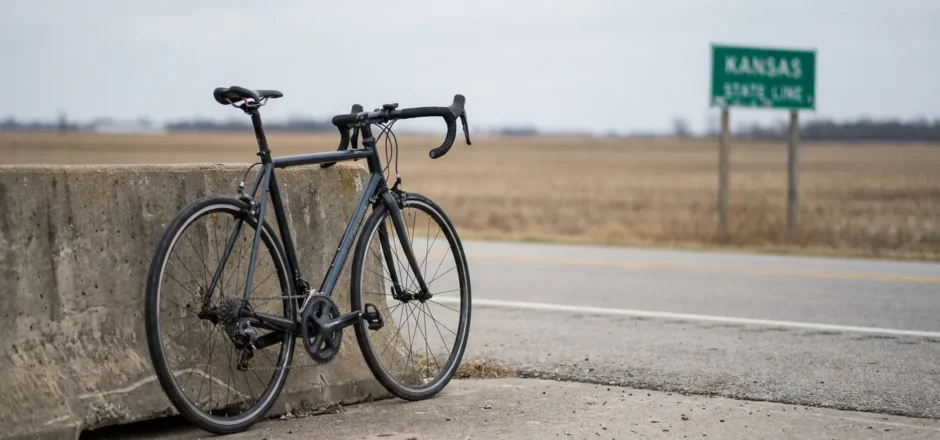
Understanding Fault When You’re Hurt on Two Wheels in Kansas City
Key Takeaways: Missouri’s fault system differs significantly from Kansas for cyclists. Missouri uses pure comparative fault, reducing recovery by your fault percentage without barring it, even at 70 percent fault, you recover 30 percent of damages. Kansas applies a 50 percent bar rule, denying recovery to anyone found 50 percent or more at fault. Missouri grants cyclists the same rights as drivers and holds motorists to the highest degree of care. Insurers frequently shift blame onto cyclists, making early preservation of photos, crash reports, and medical records essential. Injured riders generally have five years to file a Missouri personal injury lawsuit, though exceptions and government-claim deadlines can apply.
If you were riding your bike near the Northland and got hit by a car, you are probably wondering whether being even a little at fault wrecks your chance at compensation. Missouri and Kansas handle that question very differently, and the line you were riding on can change your case. Missouri uses pure comparative fault, while Kansas uses a modified system with a hard cutoff.
This is where our team at Northland Injury Law steps in. If you are facing medical bills or lost wages after a crash, you can reach Northland Injury Law online, call us at 816-400-4878, or request your free consultation today.
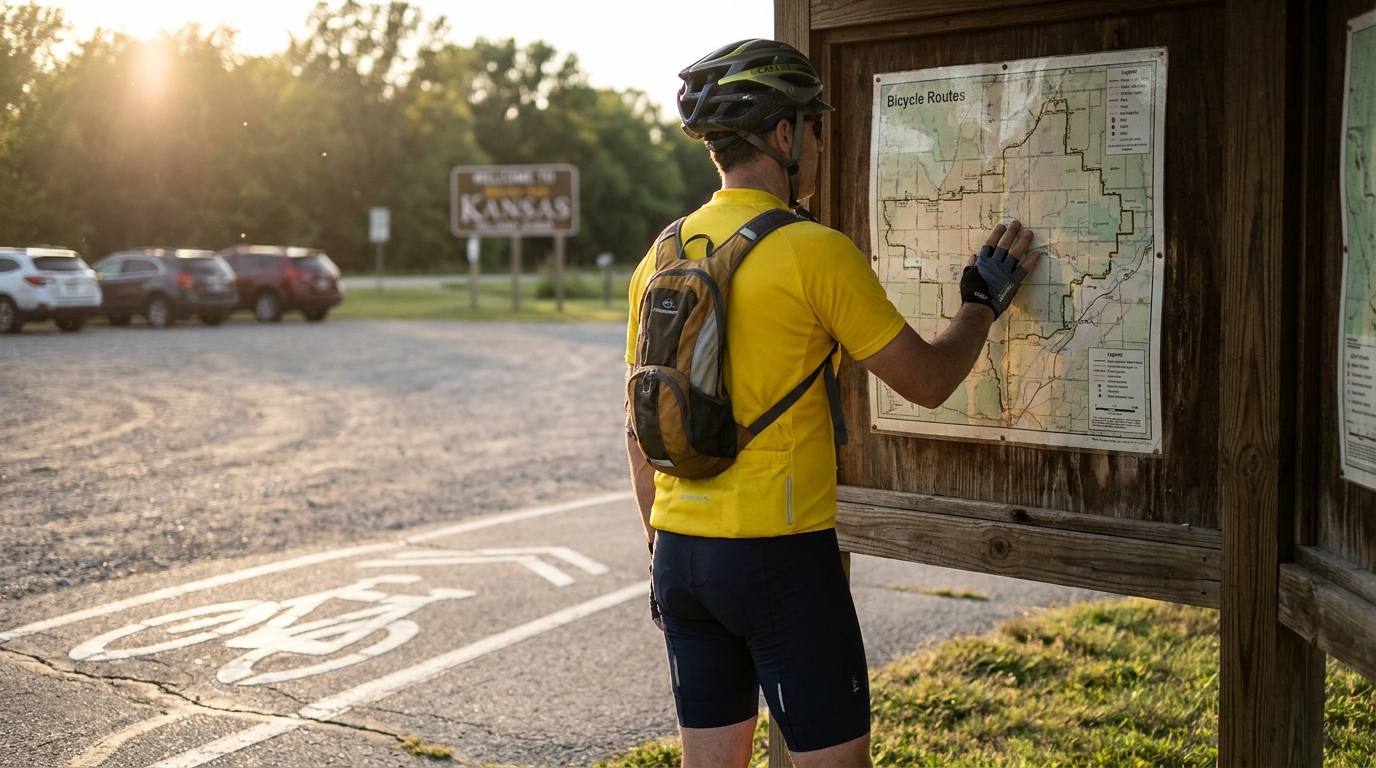
Missouri vs Kansas Fault Law: The Core Difference
The biggest fault system difference for cyclists is whether your own share of fault can completely bar your recovery: Missouri imposes no cutoff, while Kansas bars recovery at 50 percent. Missouri follows pure comparative fault, meaning your own fault reduces your recovery but does not erase it. Even if a jury decided you were 70 percent responsible, you could still recover 30 percent of your damages.
Kansas takes a stricter path. Under the 50 percent bar rule, an injured person who is found 50 percent or more at fault recovers nothing. That difference can mean the gap between meaningful recovery and walking away empty handed.
Here is how the two systems treat a cyclist’s own fault:
| Issue | Missouri (Pure Comparative) | Kansas (Modified) |
|---|---|---|
| Recovery if cyclist is 30% at fault | Damages reduced by 30% | Damages reduced by 30% |
| Recovery if cyclist is 51% at fault | Still recovers 49% | Barred from recovery |
| Bar threshold | No bar | 50% or more bars claim |
💡 Pro Tip: Always confirm the exact city and street where your crash occurred. A collision on a border road can determine which fault rule controls your entire claim.
How to Use Pure Comparative Fault in Your Kansas City Bike Crash Case
Learning how to use pure comparative fault in your Kansas City bike crash case starts with understanding that Missouri does not punish you for partial responsibility. Under pure comparative fault, your damages are simply lowered by your percentage of fault, and your recovery is never barred. A separate Missouri statute, RSMo § 537.067, governs how the judgment is allocated among multiple defendants:
In all tort actions for damages, if a defendant is found to bear fifty-one percent or more of fault, then such defendant shall be jointly and severally liable for the amount of the judgment.
Why the 51 Percent Threshold Matters
That 51 percent figure governs how defendants share the judgment, not whether you as the injured cyclist can recover. When a driver is found at or above 51 percent at fault, that driver can be held jointly and severally liable for the full judgment, while a defendant below that mark is generally only severally liable for their proportionate share. You can read the statutory language on the Missouri Revisor of Statutes site under RSMo § 537.067. This distinction shapes how much you actually collect when more than one party shares blame, especially if one defendant is uninsured.
How Insurers Try to Shift Blame
Insurance adjusters know how comparative fault bicycle accident rules work, and they often try to pin extra fault on the cyclist to shrink the payout. They may argue you swerved, lacked a light, or rode outside the proper lane. Because pure comparative fault lets them reduce your recovery dollar for dollar by your fault percentage, every point of blame matters. That is why building strong evidence early is critical.
💡 Pro Tip: Photograph the scene, your bike, your injuries, and the roadway from multiple angles. Skid marks and lane positioning often fade quickly and can counter an insurer’s fault argument.
Missouri Traffic Rules That Shape Cyclist Fault
Missouri law gives cyclists real legal standing, which is central to fair fault determinations after a crash.
Every person riding a bicycle or motorized bicycle upon a street or highway shall be granted all of the rights and shall be subject to all of the duties applicable to the driver of a vehicle.
Under RSMo § 307.188 you are treated as a legitimate roadway user.
Drivers carry a notably high duty of care under Missouri law. RSMo § 304.012 requires that
every person operating a motor vehicle on the roads and highways of this state shall drive the vehicle in a careful and prudent manner and at a rate of speed so as not to endanger the property of another or the life or limb of any person and shall exercise the highest degree of care.
That "highest degree of care" standard often works in a cyclist’s favor.
Several Missouri statutes commonly come into play in cyclist-motorist collisions:
- Safe passing: Under RSMo § 304.678, a driver overtaking a bicycle must leave a safe distance, and violations involving crashes can carry criminal penalties.
- Lane position: RSMo § 307.190 directs a cyclist traveling slower than traffic to ride as near the right side as is safe, with exceptions for left turns, hazards, lanes too narrow to share, and one-way streets.
- Malfunctioning signals: RSMo § 304.285 gives cyclists an affirmative defense when a red light fails to detect them, provided they stop and confirm no hazard before proceeding.
These cyclist fault rules KC riders deal with daily can cut both ways in a claim. A driver who crossed into oncoming traffic on a blind curve to pass you was breaking the rule requiring waiting behind a cyclist until the view ahead is clear. You can find a plain-language overview through the Missouri bicycle and pedestrian laws summary maintained by advocacy groups.
💡 Pro Tip: Request the official crash report and review it for accuracy. Officers sometimes misstate lane position or right of way, and correcting details early can protect your fault percentage.
Deadlines and Damages That Affect Your Claim
In Missouri, you generally have five years to file a personal injury lawsuit after a bicycle crash. This comes from RSMo § 516.120(4), which covers actions for injury to the person or rights of another not arising on contract. While five years sounds generous, evidence and witness memories fade long before then.
Certain narrow exceptions can adjust a filing deadline, but courts interpret them strictly. Tolling and discovery-related extensions may apply only in limited circumstances, and they are never automatic. Claims involving a government entity can also carry separate, shorter administrative notice requirements, so those situations call for prompt review.
For a deeper walkthrough tailored to riders, our guide on how to use pure comparative fault in your Kansas City bike crash case breaks the concept down further.
💡 Pro Tip: Keep a running file of every medical visit, bill, and missed workday. Organized documentation strengthens your damages claim and makes it harder for an insurer to dispute the real cost of your injuries.
Frequently Asked Questions
1. Can I still recover money if I was partly at fault for my Missouri bike crash?
Yes, in most cases. Missouri’s pure comparative fault system reduces your recovery by your fault percentage but does not bar it, even if you were more than half responsible.
2. How is Kansas different if my crash happened across the state line?
Kansas uses a 50 percent bar. If you are found 50 percent or more at fault there, you recover nothing. That makes the location of your crash a serious factor in any claim.
3. Does Missouri law treat cyclists as equal to drivers?
Largely, yes. Under RSMo § 307.188, cyclists carry the same rights and duties as motor vehicle operators. That equal standing matters when courts evaluate who acted reasonably.
4. How long do I have to file a bicycle injury lawsuit in Missouri?
Generally five years under RSMo § 516.120(4). Limited exceptions exist, but courts apply them narrowly, and claims against government entities may involve separate, shorter deadlines.
5. What should I do right after a cycling crash in Kansas City?
Seek medical care first, then preserve evidence. Photos, witness contact information, and the crash report all help protect your fault percentage and document your damages.
Riding Forward With a Team in Your Corner
So, is Missouri’s fault system different from Kansas for cyclists? Absolutely, and that difference can decide whether you recover at all. Missouri’s pure comparative approach gives injured riders more room to recover than Kansas’s strict 50 percent bar, but insurers still work hard to assign you blame. With more than 50 years of combined attorney experience, recognition as a top-voted accident firm in the Northland, and deep community roots, our team understands both the law and the people it affects. To learn how we advocate for riders, visit our page for a trusted Kansas City cycling injury lawyer.
You do not have to sort out fault percentages and insurance tactics alone. Backed by our 30-Day Satisfaction Guarantee, the team at Northland Injury Law is ready to listen, explain your options in plain language, and keep you informed at every step. Call us at 816-400-4878 or reach out for your free consultation today, because the sooner we start, the better we can protect your claim.



© 2026 Northland Injury Law • All Rights Reserved •