|
|
Last
Modified on
Jul 08, 2026
When the Other Driver Vanishes: Phantom Vehicle Claims in Kansas City
Key Takeaways: A phantom vehicle claim under Missouri law allows recovery through your uninsured motorist (UM) coverage when an unidentified hit-and-run driver causes your crash without physical contact. The 1982 amendment to § 379.203.1 eliminated the contact requirement, so a driver who runs you off the road can trigger coverage if they cannot be identified. These claims follow strict notice rules, typically requiring police reports within 24 hours and insurer notification within 30 days; missing these deadlines can defeat your claim in some cases, although Missouri courts have recognized exceptions (for example, physical incapacitation) and have held that whether an insurer was actually prejudiced by late notice can be a genuine issue of material fact. Proving no-contact crashes is challenging without paint transfer or plates, but Missouri courts have held your testimony alone can establish liability. Insurers fight these claims aggressively, making prompt police reports, immediate medical care, and thorough documentation essential. Quick action and experienced legal guidance maximize recovery chances.
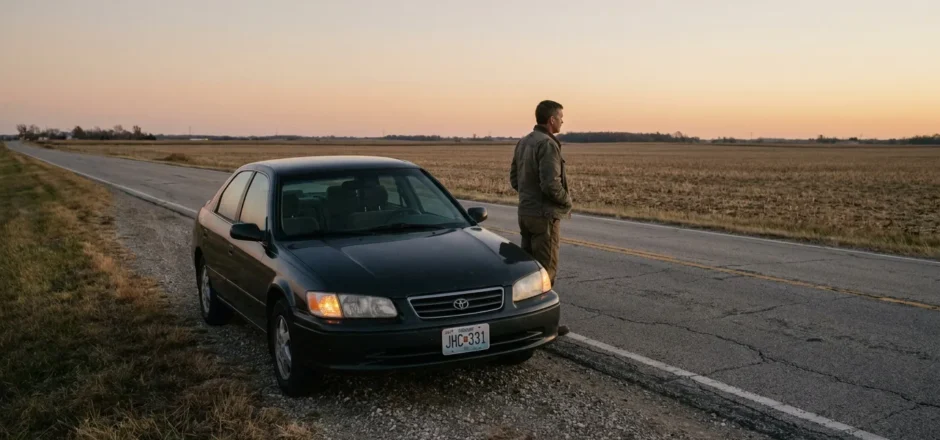
A phantom vehicle claim is how Missouri law lets you recover compensation when an unidentified driver causes your crash without touching your vehicle. Picture a car swerving into your lane on I-29, forcing you off the road before fleeing. No contact, no license plate, no driver to sue. Your own uninsured motorist (UM) coverage steps in. These cases are technical and deadline-driven, making guidance essential.
For help understanding your options, reach out to Northland Injury Law, call 816-400-4878, or contact us now.
💡 Pro Tip: If a no-contact accident leaves you injured, write down everything about the other vehicle immediately. Memory fades fast, and early notes become powerful evidence.
A phantom driver claim does not require the fleeing car to hit you. Under Missouri law, a phantom vehicle is a hit-and-run vehicle where neither driver nor owner can be identified, causing bodily injury to an insured without hitting an insured, a covered auto, or a vehicle an insured occupies. So a driver who runs you off the road triggers coverage even without contact, provided you prove an actual unidentified vehicle caused the crash.
Missouri courts use specific vocabulary for these crashes. They use "phantom vehicle" to refer to unidentified hit-and-run vehicles in uninsured motorist claims. Your insurer likely uses this same term. A no-contact accident remains a hit and run legally, though harder to document than typical fender-benders.
The 1982 Change That Opened the Door
Missouri did not always allow no-contact claims. Before 1982, insurers built contact requirements into policies, leaving injured people without recovery when careless drivers vanished.
The legislature changed that in 1982. Missouri amended § 379.203.1 to eliminate the physical contact requirement, explicitly stating coverage exists "whether or not physical contact was made between the uninsured motor vehicle and the insured." This foundation supports Missouri’s hit-and-run coverage today, providing parallel coverage to what the at-fault vehicle should have carried.
Why Missouri Law Recognizes Phantom Vehicle Claims
These claims balance fairness with caution. Lawmakers wanted injured drivers to recover, while courts protect honest policyholders from inflated or invented claims. This balance appears in the notice rules governing phantom vehicle claims.
Public policy drives strict application. Missouri courts have upheld phantom vehicle notice provisions to prevent additional costs from stale claims investigated without fresh facts. The rationale allows timely investigation to determine whether spurious claims are being made. You can read one early appellate decision in a published Missouri phantom vehicle ruling.
💡 Pro Tip: Do not assume your insurer is on your side. In phantom vehicle cases, companies may search for denial reasons, so document everything.
What to Do After a Hit and Run Accident in Missouri
Knowing what to do after a hit and run accident in Missouri can mean the difference between approval and denial. Speed and documentation matter most, as many policies impose strict reporting windows that can quietly end your case.
Here are practical steps protecting phantom vehicle claims:
- Call police immediately and report the no-contact crash in detail
- Describe the phantom vehicle, direction of travel, and what forced your reaction
- Seek medical care promptly and keep all records and bills
- Notify your insurer about the uninsured motorist claim quickly
- Preserve photos, dashcam footage, and witness names
Reporting deadlines are often unforgiving. Missouri UM policies typically require reporting hit-and-run accidents to police within 24 hours and to insurers within 30 days as conditions precedent to coverage. Because these timelines come from policies rather than fixed statutes, exact deadlines vary. Review guidance on what to do after a hit and run accident in Missouri and speak with a lawyer quickly.
Reporting to Police and Your Insurer
Missing notice windows can defeat your claim in many cases. Early Missouri appellate decisions treated failure to comply as a material breach that could defeat coverage without a showing of prejudice. However, the Missouri Supreme Court in Tresner v. State Farm (1995) clarified that physical incapacitation may excuse non-compliance and that whether the insurer was actually prejudiced by a delay can be a genuine issue of material fact. Outcomes therefore depend on the specific facts of each case.
A narrow exception exists but is limited. Physical or mental incapacitation, like unconsciousness or amnesia, may excuse some delay, but courts often read exceptions narrowly. The Missouri Supreme Court has recognized that incapacitation can be an excuse in appropriate cases, and prejudice to the insurer may be relevant when courts decide whether late notice bars recovery.
| Reporting Step |
Typical Deadline |
Why It Matters |
| Police report |
Within 24 hours |
Creates official record while facts are fresh |
| Notice to insurer |
Within 30 days |
Often a condition precedent to UM coverage |
| Medical treatment |
As soon as possible |
Links injuries to the crash |
Proving a Phantom Vehicle Caused Your Crash
Evidence is the hardest part of any no-contact accident in Missouri. Without paint transfer or license plates, you reconstruct events from your account and the physical scene. Missouri courts recognize this difficulty, especially for seriously injured victims.
Common Evidence Challenges and How Courts View Them
Missouri courts have rejected overly harsh corroboration demands. When insurers tried requiring independent proof of no-contact crashes, courts found that demanding independent corroboration placed impermissible burdens on claimants, since insureds could establish liability through testimony alone in other scenarios. Your testimony matters, even if not the only evidence. You still carry the burden of proving an unidentified vehicle caused your crash, so additional evidence remains valuable.
💡 Pro Tip: Photograph skid marks, debris, and road conditions before they disappear. In phantom driver claim KC cases, scenes often tell stories words cannot.
Lawsuit deadlines are separate from policy notice rules. Beyond insurer notice, Missouri sets outside court deadlines. Negligence-based personal injury claims generally fall under the Missouri statute of limitations at § 516.120, providing five years. Phantom vehicle claims, however, are contract claims against your insurer, which may carry different limitations periods, though policies may impose shorter suit deadlines. Courts interpret exceptions narrowly, and tolling does not apply automatically, so act early. An experienced Kansas City car accident attorney can sort out which deadlines apply.
💡 Pro Tip: Keep one folder with your police report number, medical bills, insurance letters, and witness contacts. Organized records make every step easier.
Frequently Asked Questions
1. Does a phantom vehicle have to hit my car for me to recover?
No. Since the 1982 amendment to § 379.203.1, Missouri UM coverage for hit-and-run crashes applies whether or not physical contact occurred. Contact is no longer required, though you must prove an unidentified vehicle caused the crash.
2. What happens if I miss the reporting deadline?
Missing it can end your claim in many cases. Early cases treated late notice as a material breach that could bar recovery, but the Missouri Supreme Court has recognized exceptions (for example, physical incapacitation) and held that whether the insurer was actually prejudiced by late notice can be a genuine issue of material fact. Prompt reporting is still critical.
3. I had amnesia after the crash. Am I excused from the deadlines?
Possibly, but only in limited circumstances. Courts have acknowledged that incapacitation may excuse some delay. The Missouri Supreme Court has specifically recognized that physical incapacitation can excuse non-compliance in appropriate cases, though exceptions are applied narrowly and outcomes depend on the facts.
4. Why do insurers fight phantom vehicle claims so hard?
They focus on preventing invalid claims. Missouri courts explain that strict notice rules allow timely investigation to determine whether spurious claims are being made. Timely, documented reports remove common denial reasons.
Yes. Missouri courts found it improper to force independent corroboration on phantom vehicle claimants, recognizing insureds may establish liability through testimony alone in other scenarios. Your account is evidence, even when not the only proof.
Moving From Worry to a Clear Plan
A phantom vehicle claim Missouri drivers face after no-contact crashes is winnable but rewards quick, careful action. Report crashes to police within policy windows, notify insurers promptly, treat injuries, and preserve all evidence. The 1982 change to § 379.203.1 opened the door, but strict notice rules and tough proof requirements still shape these Missouri hit and run law cases. Each situation turns on its own facts.
At our firm, we have built our reputation on serious injury cases in the Northland. With over 50 years of combined attorney experience, recognition as a top-voted accident firm in Kansas City, and a 30-Day Satisfaction Guarantee, we treat clients like neighbors. If a fleeing driver left you hurt and unsure where to turn, connect with Northland Injury Law, call 816-400-4878, or reach out to our team today.

 Spanish